26 Apr 2021 by Jenny Gallery | View Bio
Cardiac pacemakers generally use 99.99% Au preforms as the solder material in the assembly. Pure gold is highly pure, inert, biocompatible, has a high resistance to corrosion, and works excellently to provide a hermetic seal in the device. All of these properties provide the perfect solder material required for the high quality and performance needed for implantable medical devices.
Read More26 Mar 2019 by Indium Corporation® | View Bio
Indium was used to seal valuable samples that were transported to Earth from the moon.
Read More12 Jan 2018 by Bernard Leavitt | View Bio
Find out why they are the best braze choice for your hermetic sealing application.
Read More30 Jan 2017 by Indium Corporation® | View Bio
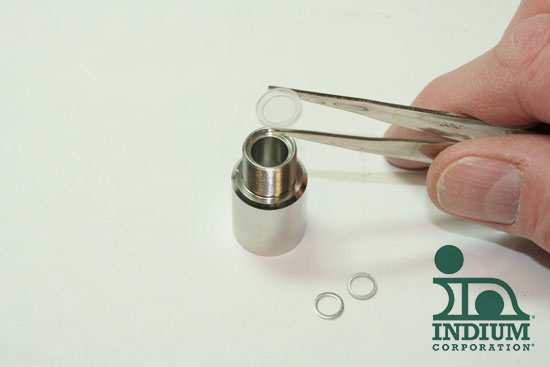
Indium metal is soft and pliable - perfect for gasketing. Learn how people put it to work for them.
Read More08 Nov 2016 by Bernard Leavitt | View Bio
Creating an airtight or hermetic seal is a critical-- and an especially challenging-- requirement for high-reliability packages. The 72Ag28Cu profile provided can give you a good reference point for evaluating your current manufacturing profiles. We understand that there are a number of variables that impact your production. Reevaluating your dwell and liquidus time in your profile can help improve the quality of your products.
Read More