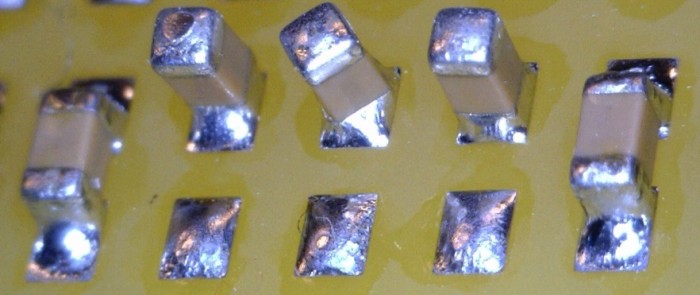
Have you ever wondered about what happens to a Pb-free Ball-Grid Array (BGA), with Tin/Silver/Copper (SAC) spheres in a Tin/Lead (Sn/Pb) process? Well, after some recent testing, I can share my results with you.
The testing was performed with Sn63 solder paste, at 208°C (most testing is performed at 25°C above liquidus) and depicts the dissolution of a SAC (SnAgCu) solder sphere into the molten Sn63 solder, below the melting temperature of the SAC alloy sphere. The purpose of this research is to demonstrate that BGA assembly (using these materials) can be affected at temperatures BELOW standard Pb-free reflow temperatures (~245°C).
It also shows the incredible solubility of Tin (Sn), and its ability to dissolve higher temperature materials. This is also true for harder materials, such as Nickel and Aluminum. Given the proper flux, you can use tin-based alloys to for the intermetallics that you need.
We are not suggesting that all BGA attachment be done at 208°C. In fact, it is much easier to use a standard Pb-free reflow profile with the Sn/Pb solder alloy paste to ensure that it all melts and forms a strong intermetallic, but for those process’ where either the components or solder pastes have issues at higher temperatures, we are demonstrating that going all the way up to 245°C is not always required. We have all had experiences with Sn/Pb solder pastes with flux residues that decompose at >220°C, or seen warpage of BGA’s at the same temperature range that cause head-in-pillow (HIP) issues.
A standard Sn/Pb reflow profile, with a peak temperature of 205-210°C, and a time above liquidus (TAL) of >60s can be used to get acceptable solder joints using a mixed alloy process.
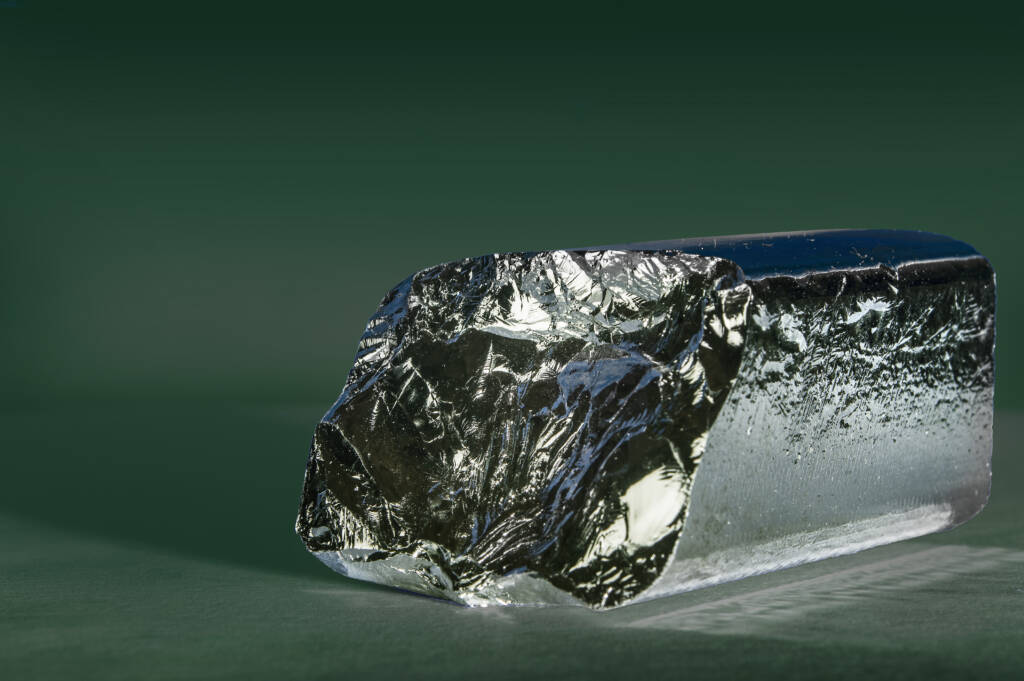
When it comes to solidus and liquidus temperatures, things aren’t just black and white – (except for the graph shown here).
Let’s start with some terms:
“Solidus” refers to the temperature that an alloy melts at. “Liquidus” is the temperature that the alloy turns completely liquid. Solids turn directly into liquids when they are heated, right? Not exactly.
When formulating alloys, there are usually one or more points in the constituent ratio where the metal will be at a “Eutectic” ratio. This ratio is usually the lowest melting point for the different combinations of those elements. For example, if you mix 63%Sn with 37%Pb, it will have a single temperature (183ºC) for both its solidus and liquidus. If you mix the alloy with a different amount of Sn or Pb, the solidus may remain while the liquidus increases. The range between these temperatures is often called the “pasty range”. During heating between the solidus and liquidus, most metals act very much like a liquid. The resulting mixture of liquid and solid material is able to wet to surfaces and form intermetallics, although it is recommended that soldering be done above the liquidus point.
Team Indium: (LtoR) Mario Scalzo, Pat Ryan, Dana Ebensperger, Bill Manning, Greg Evans, Anita Brown and Ed Gudlauski
I would like to take a moment and talk about something that has nothing to do with Head-in-pillow defects, Halogen-free solder paste or Pb-Free solder reflow.
When I was in High School in 1993, an adorable little girl was abducted less than 3 miles from my home. This was an outrageous crime in a sleepy little New York town!
To raise awareness of this heinous crime, a group of 7 courageous bicyclists rode to Washington DC to raise awareness and preach children's safety along the way, arriving in DC on May 25th, the first National Missing Children's Day.
12 years later, over 400 riders, like us on Indium's team, ride 100 miles every May to commemorate this ride and to raise funding for the National Center for Missing and Exploited Children, which works hand-in-hand with Law Enforcement to spread knowledge of and retrieval of missing kids. We will always wear pink and blue in remembrance of that little girl, back in 1993 that was never found.
Our mission is "to make our children safer...one child at a time". We have helped reunite 3000 of over 4600 missing children in 2008 with their parents and loved ones!
Hi Tech Support Blog readers! I’m hijacking Mario’s blog to bring you this video. Mario’s paper (which is highlighted in this video) was recently presented at APEX, but if you missed it you can still get a copy. ~Jim
Jim, Thanks for your help with this posting! Feel free to download a copy of my paper at indium.com!
So, besides leaking to the general public about search engine optimization (SEO) and using Google to our advantage, it shows that the trials and tribulations that we fight in our world everyday effects the general public. We know that the head-in-pillow defect on that last board we built will go into someones MP3 player. And, as soon as that someone, we'll call him Bob, goes for a jog in the middle of the winter, or sits under the sun at the beach, that head-in-pillow defect will comeback to haunt him, and Bob's MP3 player will die.
So, we thank Michael for awakening the general public on head-in-pillow defects, and even though bob doesn't care that we're fighting defects everyday, he knows exactly how he feels when his MP3 player dies.
This year we tried to plan something a little different for APEX.Instead of the normal booth, we used the space as a meeting place for people to come and talk with other engineers (from Indium and other companies), charge their cell phone, and eat a healthy snack.If you have been to any tradeshow in your life you’ll understand – this was an oasis.
Many people that did not participate in APEX are asking what it was like, especially in light of the predicted drop in attendance.We spoke with a few of the Indium members who made it out to Vegas this year to sum up APEX 2009:
Rick Short told us “…attendance was 25 to 30% lower than in 2008.That said, the quality of the attendee was unusually high (KEY decision makers) and the number of really good leads that we captured was high.We spent about 25% of what we spent in 2008 on the exhibit and did much better (leads).”
Dave Sbiroli mentioned “It’s the same core group of industry experts that attend the show” in reference to the technical presentations and industry meetings.
Brandon Judd commented “Although we are in the middle of an economic downturn, there was definitely no lack of interest in Indium’s solder products at this year’s APEX EXPO in Las Vegas. In fact, it was quite the contrary. Several customers, both current and potential, approached our booth with new and exciting applications that show there just may be a light at the end of the tunnel for our industry.”
Tim Jensen had this to say, “This year’s APEX was probably the best in recent history. While the attendance was down from last year, those who did attend came with a specific purpose: to educate themselves and solve their current issues. At Indium Corporation, we were busy educating customers on the implications of going halogen-free and helping to address their current Pb-Free production challenges.”
In an article from Circuits Assembly Magazine, solder paste is determined to be the key factor in proper QFN assembly.Joseph Ameen and Gilson Geralde mention that “If too much solder is applied to the ground plane, the part will float, resulting in poor connections to the I/Os.If too little is applied, insufficient grounding will result.”
Although this may not be groundbreaking, it’s the reason we shoot for 100% transfer efficiency with our solder pastes.Many solder pastes vary between 60% to 110%, while the best solder pastes will see tighter than 80% to 105% transfer efficiencies.
For my next trick, I will be participating in a chat session as part of the Virtual PCB Show on February 25th from 11:00AM to 11:45 AM. Our topic is “SMT Defects and Solutions”.
To prepare for this first ever experience, I participated in an orientation that walked him through a virtual chat, which he found to be quite similar to Skype and AOL Messenger.
I think that many of the questions will be focused on the recurring themes we get in Tech Support every day. Printing and reflow issues seem to be the most common, especially slumping, tombstoning, non-wetting, and reflow flexibility. Voiding still continues to be an issue, but to a much lesser extend that in the past.
For our second guest blogger i would like to introduce Dr. Harald Wack, President of Zestron. Zestron is manufacturer of flux residue cleaners and removers for our industry, and several other cleaning products for many other non-related industries. Dr. Wack, take it away...
It is noteworthy to point out that most cleaning processes (for OA-flux removal) in the North American market rely on cleaning with DI-water only. Recent market studies suggest that water is beginning to reach its cleaning limitation, favoring the use of aqueous processes. Aqueous is a term that implies the use of aqueous-based chemistry; for example an application concentration of 10% mixed with DI-water. The nature of the ingredients within the aqueous product range varies between vendors and their respective chemical R&D knowledge and product technologies. These are in contrary to cleaning processes with DI-water only or with a solvent, which is used at a concentration of 100%. A solvent does not contain any water at all. After one decade of solvent based processes dominating the precision cleaning market, the current demands are relying on aqueous solutions as their cleaning window has been found to be the widest. A number of reasons can be cited supporting this trend.
Firstly, the increased use of lead-free solder, which require higher soldering temperatures and result in more burnt-in fluxes. These in turn are much harder to remove. DI-water alone has simply a limited, to no ability to solubilize non-ionic residues on the board’s surface. Secondly, the cleaning of water-soluble fluxes (especially under components) has also become a lot more difficult. In other words, water with its high surface tension of over 70 dynes/cm cannot effectively penetrate low standoff components. As the standoff heights are decreasing further and component densities are increasing more and more, companies will have to improve their existing cleaning process. Chemistry assisted cleaning can reduce the surface tension to 30 dynes/cm and below. Interestingly, the industry so far has mostly reverted to adjust the DI-water based cleaning process to its respective limits. These limits entail for example an increase in operating temperatures to above 150°F, as well as an increase of the spray pressures, or the reduction of the belt speed to prolong the exposure time. With pure water-soluble fluxes in a eutectic environment such measures can provide sufficient cleaning results. Given the introduction of lead-free however, the solubility of residues in DI-water becomes the limiting aspect. If non-ionic contamination is produced, water alone cannot chemically dissolve such contamination. Much to everyone’s surprise, a recent study has actually shown that lower chemical concentrations of only 5% and temperatures of 175°F and 200°F are producing the best cleaning results under components, period. Previously the industry considered 160°F as the highest possible cleaning temperature.
Another often overlooked consequence is that higher pressures and temperatures might allow the water to penetrate low standoff components by forcing water underneath or into the capillary spaces. Unfortunately, the cleaning equipment is often not capable of removing the water during the drying section. To limit the formation of electrochemical migration or leakage currents, it is of utmost importance to verify a dry, water and flux-free environment under components after the cleaning cycles are completed. Cleaning agents on the other hand can be easier rinsed and dried as lower surface tension allows a quick removal. The usage of chemistry in the long run seems therefore to be overall most beneficial. Yes, it's true, there is an additional process cost but the “value added” benefits are considerable. They include, but are not limited to better cleaning through lower ionic contamination, which in turn provides higher product reliability. Recent studies have also demonstrated better bonding and coating results after the introduction of chemistry assisted cleaning. To offset the added cost, users can operate at lower temperatures and with wider process windows one clean not only OA but also RMA and no-clean fluxes. This will become a requirement in the North American market as contract manufacturers are moving to lower volume, higher mix and a significantly more high reliability product. In the end, the introduction of a chemistry assisted cleaning process, will increase your cleaning process window and permit the de-fluxing of all production boards during a single cleaning process.
Despite all valid arguments encouraging the use of aqueous processes, the authors would like to caution interested users as well. Most equipments currently using strict DI-water are not properly plumbed to use chemistry. DI-water machines take the advantage of cascading DI-water tanks from the back to the front. Employing a chemical product in the wash tank would lead to continuous dilution of the recommended application concentration by DI-water. Companies that are strategically planning their capital purchases are therefore well advised to incorporate the mechanical option to run aqueous chemistries. As always, a slightly higher investment will provide significantly more process flexibility in years to come, and might lead to one or two additional contracts.
For a change of pace, again, I have asked another Technical Support Engineer, Chris Nash, to comment about powder sizes. Chris is the Regional Technical Support Engineer for the Midwest region, and works from Indium Corporation HQ in Clinton, NY.
Small components such as 0201’s and Micro-BGA’s are being implemented into circuit board design and manufacturing more often. Many people still haven’t had the chance to use these in their process but have heard that this will soon be upon them. In planning for this many immediately think they will need to use a solder paste with a smaller powder size and consequently start considering type 5 and type 6 pastes. This is usually not necessary.
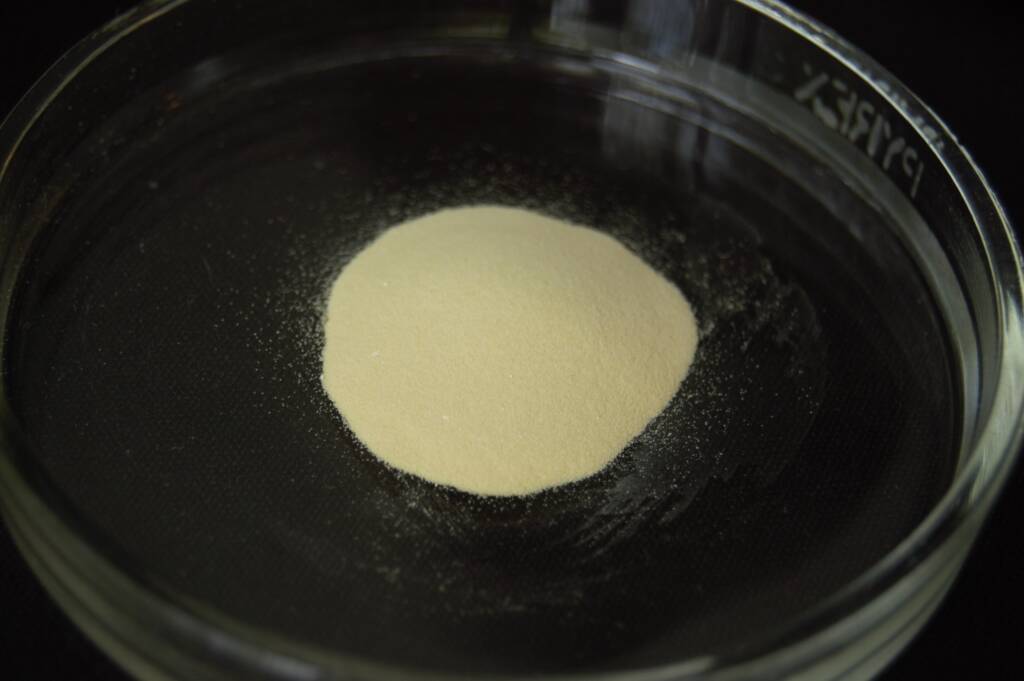
Type 5 and type 6 powders/pastes are currently being used in applications such as wafer bumping, substrate bumping, package on package, and dispensing with very small needle diameters. Wafer Bumping and substrate bumping (for flip chip assembly where there is not enough solder present on the chip) applications are using type 5 or 6 pastes with a printing process that may be a bit different than the typical SMT process. Many of these applications are using a mask instead of a stencil. Once the solder has been reflowed the mask is stripped and solder bumps remain. The apertures that are used in this type of process are typically around 50 microns, much smaller than the typical SMT aperture size. Package on package applications are using type 5 and 6 pastes in a totally different way. The packages are being dipped (not printed) into the paste before placement. Dispensing solder paste out of a syringe will sometimes require a small power size like type 5 or 6 due to the needle size that some applications require (26-30 gauge needles). As you can see there currently is a need for type 5 or 6 solder paste but this need has not spread to typical SMT assembly quite yet.
The selection of the appropriate powder size for a specific solder paste application is a fundamental step that will ultimately affect the print-ability of the solder paste with respect to the stencil design. Stencil design, focusing specifically on area ratio, plays an even more crucial role in solder paste print-ability. Area ratio is essential to the printing process and powder choice. Calculating the area ratio and choosing the correct powder size can help ensure proper stencil release. The area ratio is the ratio between the area of the aperture opening and the area of the aperture walls [area of the opening/area of the walls ≥ 0.66]. Once the proper aperture size has been determined, the appropriate powder size can then be chosen. For all apertures, it is important to maintain a minimum of 4 or 5 solder particles (the large particle size of the range) across the aperture.
Current manufactures (typically hand held device manufacturers) that are using 0201’s and small Micro-BGA’s have developed their process around the area ratio rule of thumb. Many of the manufacturers have decided that the best way to achieve close to 0.66 is to decrease the stencil thickness to 0.004”. Some manufactures have seen improved transfer efficiency results with a type 4 solder paste with less than 0.66 area ratios and have used this smaller powder size successfully. Typically speaking, an area ratio greater than or equal to 0.66 will allow for the use of a type 3 solder paste.
Thank you to Chris for helping out on this blog. More inforamation may be found at the Indium Knowledge Base (IKB).
The opinions expressed here are the personal opinions of Mario Scalzo. Content published here is not read or approved by the Indium Corporation and does not necessarily represent the views and opinions of the company. In addition, they are not guaranteed to be correct, complete, or up-to-date. By using this blog site you understand that any information or advice is of a general nature and may not apply to your specific situation. It is the reader’s responsibility to confirm and verify all information prior to implementing any endeavors based on the information. This blog/website should not be used as a substitute for competent personal advice from a trusted professional.
Using the power of people, their content, and their connections, Lijit enhances the way your readers search for and discover information on the internet.
LinkedIn is an interconnected network of experienced professionals from around the world, representing 170 industries and 200 countries. You can find, be introduced to, and collaborate with qualified professionals that you need to work with to accomplish your goals.