

Applications
Reflow Soldering with Formic Acid
Formic acid is a carboxylic acid with the chemical formula HCOOH. When heated to temperatures ≥ 180oC, formic acid “activates” to become a very efficient reducing agent of metal oxides. When formic acid is utilized in reflow soldering, a flux is no longer necessary. Formic acid reflow with the addition of vacuum ensures a true no-clean process with ultra-low voiding and reduced environmental impact compared to traditional reflow soldering thanks to the removal of the cleaning step and the associated waste produced.

Overview
Revolutionize with Flux-free Materials for Formic Acid Reflow
Formic acid soldering is a cutting-edge technology within the power electronics assembly space, that enables the creation of clean, low-void solder joints without the use of a traditional flux. Indium Corporation is at the forefront of developing high purity, flux-free solders specifically for the formic acid soldering application. The FAST (Formic Acid Soldering Technology) family of products include preforms, InTACK® tacking agent and the novel flux-less FAST Paste.
Benefits
Innovative Material for Critical Applications

Virtually Zero Residue
After reflow, almost all of the material is evaporated off, leaving only a clean solder joint.
No Cleaning Necessary
Reduced chemical costs and fewer process steps help contribute to sustainability goals.
Enhanced Compatibility
No residue means no compatibility concerns about flux residue compatibility with underfill or molding materials.
Eliminate Electrochemical Migration
Only benign chemicals that fully evaporate are used, eliminating the risk of ECM.
Reflow Soldering with Formic Acid Products

Tacking Agents
Tacking agent to reduce fixturing needs and…
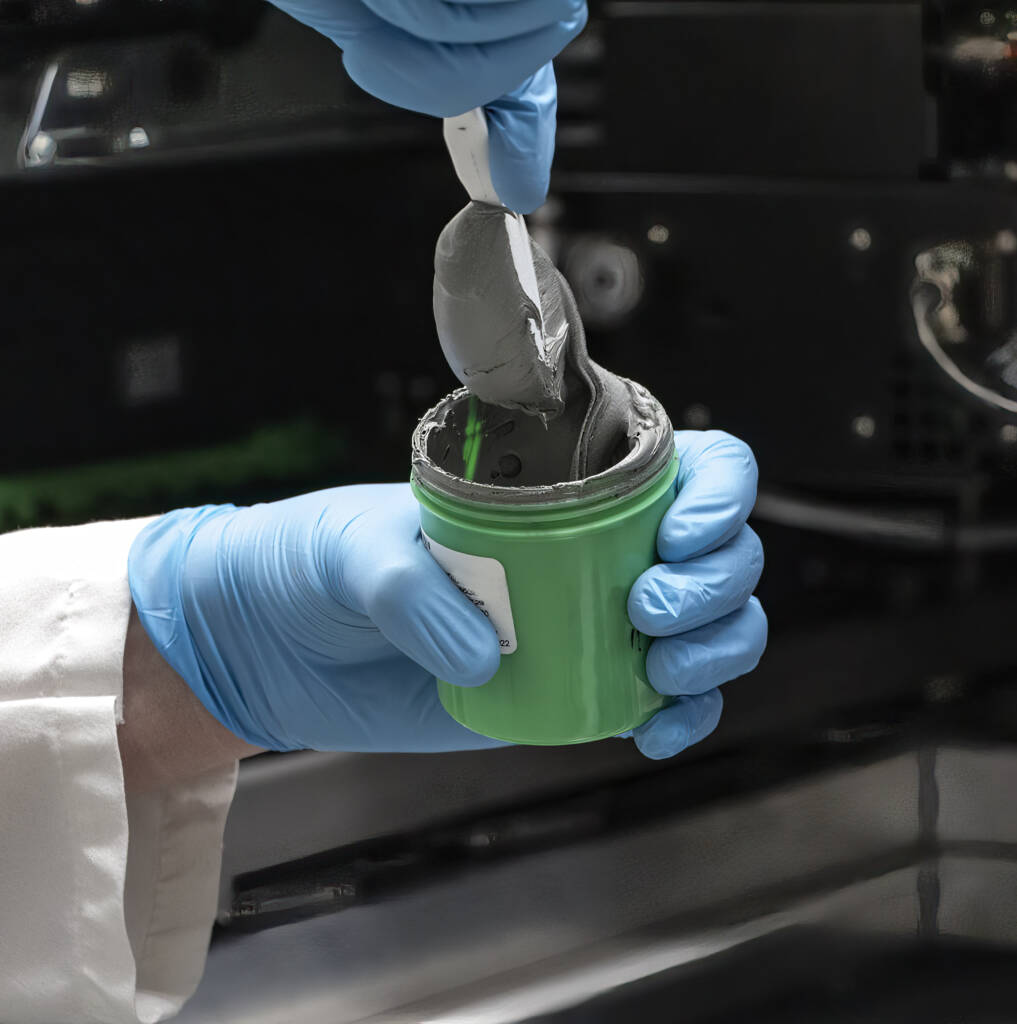
Semiconductor Solder Pastes
Proven diverse range of semiconductor solder pastes.

Reinforced Preforms
InFORMS® reinforced solder preforms enhance joint reliability…
Formic Acid Soldering Technologies (FAST)
A patented solder alloy technology to enable…
Related Applications

Power Electronics Packaging & Assembly
Extensive range of proven high-reliability solder and…

Semiconductor Packaging and Assembly
Critical semiconductor packaging ensures functionality and durability.
Related Markets


Your Success
is Our Goal
Optimize your processes with the latest materials, technology, and expert application support. It all starts by connecting with our team.