In Part 1, we covered how robotic soldering evolved, and why materials quality is a major driver of process stability and precision. In Part 2, we focus on common materials-related issues that can disrupt robotic soldering outcomes, and what manufacturers can do to control them.
Tackling Common Materials Challenges in Robotic Soldering
Robotic soldering systems deliver strong advantages, but materials-related challenges can still impact performance. Below are common issues that affect joint quality, cleanliness, and overall process reliability.
Why Spattering Matters in Robotic Soldering
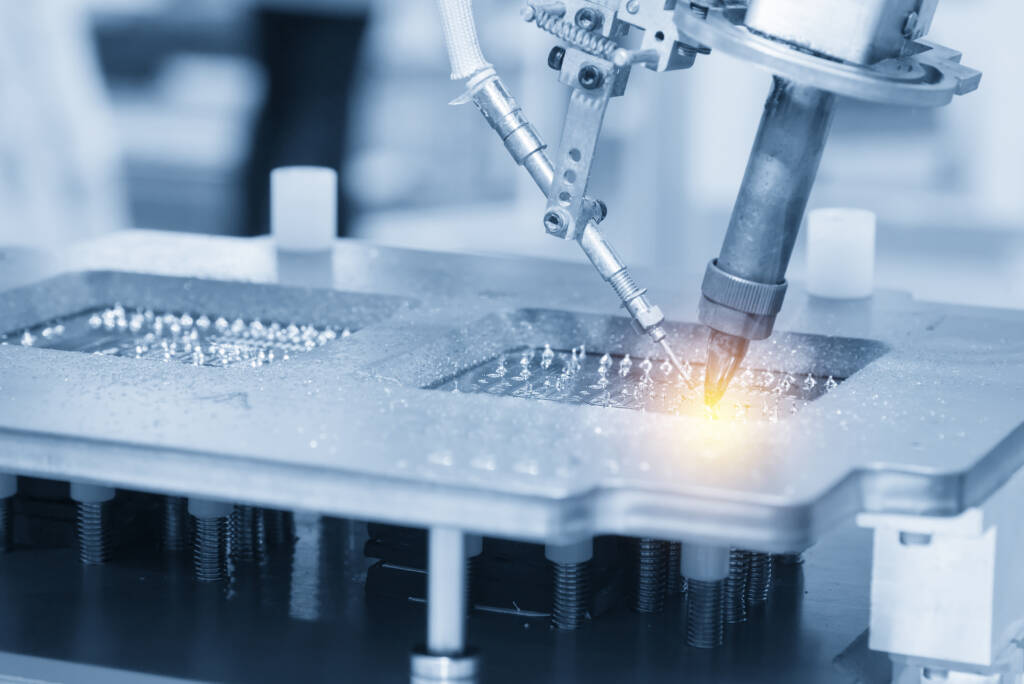
Imagine trying to enjoy a gourmet meal, only to have sauce splattered all over the table. That’s what happens in robotic soldering when molten solder droplets decide to make a break for it from the solder joint area. This unwanted phenomenon can lead to a slew of issues:
- Product Quality: Just like a messy meal can ruin your dining experience, spattered solder can create unwanted connections or even short circuits between components, severely impacting the reliability of your electronic devices. The result? Rework or scrapping affected units: definitely not a win for product quality.
- Precision: Think of precision as the secret ingredient in your favorite recipe. Excess solder droplets from spattering can disrupt the soldering process, making it tough for robots to accurately place and bond components. That’s a recipe for compromise!
- Cleanliness: Spattering leaves behind residues that are like stubborn stains on your best shirt: hard to remove. Cleaning up these messes can be time-consuming and may require specialized methods, adding to production costs and time.
- Equipment Longevity: Just as a messy kitchen can lead to wear and tear on your cookware, excessive spattering can wear down soldering equipment. Solder that lands on robotic components or sensors can shorten the lifespan and efficiency of your machinery.
- Safety: In extreme cases, spattering can turn into a safety hazard. Hot solder droplets can cause burns or injuries if safety measures aren’t in place—definitely not the kind of excitement we’re looking for.
How to Solve Spattering Issues in Robotic Soldering
Tackling spattering issues is like cooking the perfect dish; it requires a blend of techniques and ingredients, optimizing the soldering process and fine-tuning materials. Here are some strategies to keep spattering at bay:
Optimizing Soldering Parameters
Fine-tuning your soldering parameters is crucial for reducing spattering. Think of it as adjusting the heat on your stovetop:
- Temperature Control: Make sure your soldering temperature is just right for the specific solder alloy you’re using. Too much heat can increase the chances of spattering, like boiling noodles at too high a temperature.
- Soldering Speed: Finding the right soldering speed is like timing your cooking just right. If you go too fast, the solder won’t wet the components properly; if you go too slow, you risk overheating and spattering.
- Flux Composition: Choosing the right flux and knowing how much to use can promote smoother solder flow, helping to keep splattering in check.
Material Quality
Using high-quality solder materials is like choosing the best ingredients for your dish:
- Premium Flux-Cored Wire: Opt for high-standard flux-cored wire, like those from the Indium Corporation, to ensure even flux distribution and fewer impurities that can lead to spattering.
Equipment Calibration and Maintenance
Regular maintenance is your secret weapon:
- Nozzle and Tip Maintenance: Keep nozzles and tips clean. Think of them like the tools in a chef’s kitchen: old solder residues can clog them up, leading to inconsistent solder flow and spattering.
- Sensor Accuracy: Ensure your vision systems and sensors are clean and calibrated just right, helping to place components accurately and minimizing misalignment that can lead to spattering.
Process Environment
Creating the perfect soldering environment is key:
- Controlled Atmosphere: Just as you’d cook in a well-ventilated kitchen, using a controlled atmosphere like nitrogen (although not required) can reduce oxidation and spattering during soldering.
- Workspace Cleanliness: Keeping your workspace clean is essential to prevent contamination that can mess with solder flow and increase spattering.
Training and Monitoring
Continuous improvement is the cherry on top:
- Operator Training: Equip your operators with solid training on the latest techniques and best practices to minimize errors that can lead to spattering.
- Monitoring Systems: Invest in advanced monitoring systems to catch and address spattering in real-time, allowing for immediate fixes that keep production flowing smoothly.
By addressing these spattering challenges with a mix of knowledge and practical solutions, you can keep your robotic soldering processes running like a well-oiled machine, ensuring quality and efficiency every step of the way!
Learn more about spattering control solutions: download our white paper on spattering mitigation strategies.
Flux Charring
Why Tackling Flux Charring is Essential in Robotic Soldering
Let’s talk about flux charring—an issue that’s as pesky as a fly at a picnic when it comes to robotic soldering. When the flux in your solder wire burns, it leaves behind carbon residues that can throw a wrench in the aesthetic quality of your solder joints. Here’s why addressing this is crucial:
- Aesthetic Quality: When it comes to consumer electronics, looks matter. Flux charring can leave behind unsightly black residues that detract from the final product’s appearance. And let’s face it, nobody wants a product that looks like it survived a campfire.
- Process Consistency: Just like dust bunnies under your bed, carbon residues from charred flux can accumulate on your soldering equipment, especially on the tips and nozzles. This build-up messes with the consistency of your soldering process, causing variations in joint aesthetics and making you spend more time on maintenance.
- Cleanliness: Having charred flux residues is like needing to clean up after a toddler’s snack time: it can be a hassle. These residues require extra cleaning efforts for both the soldered products and the equipment and possibly the scrapping of the board entirely, which can eat up time and money, impacting your overall production efficiency.
- Sensor Functionality: In the world of robotic soldering, your sensors are like GPS on a road trip—essential for navigating the soldering process accurately. Charred residues can block sensor readings, resulting in misalignment and errors. This can throw off your automated system, making it less efficient and effective.
So, how do we combat flux charring? Start by optimizing your soldering parameters, like temperature and speed, and choose high-quality flux-cored wire with the right flux composition. At Indium Corporation, our robotic soldering wire is designed to tackle these challenges head-on, offering superior flux compositions that aim to minimize charring under standard soldering conditions. Plus, don’t forget regular maintenance of your soldering equipment and keeping your workspace spic-and-span—this will go a long way in reducing flux charring incidents and enhancing the quality and reliability of your soldering process.
Wire Voiding and Tension
Why Wire Voiding and Tension Issues Are a Big Deal in Robotic Soldering
Let’s talk about wire voiding and tension issues, two critical players that can really throw a wrench in the works of solder joints during robotic soldering. Here’s why they deserve your attention:
- Compromised Joint Integrity: Think of voids in solder wire as pesky weak points in your joints. They can act like stress magnets, making your solder joints prone to mechanical failure and sabotaging the reliability of your electronic assembly. No one wants a weak link in their chain!
- Inconsistent Feed: Just like a roller coaster needs a steady track, proper tension is key to smooth, consistent solder wire feeding through robotic equipment. If tension goes haywire, you’ll end up with erratic wire feeding, resulting in uneven solder deposits and less-than-stellar joint quality.
- Defects and Rework: Voids and improper tension can lead to defects like insufficient solder coverage, half-baked joints, and cold joints. These issues often mean rework or even scrapping defective units, which is a great way to blow your production time and budget.
- Equipment Longevity: Too much tension is like running a marathon in stilettos: it puts unnecessary strain on your feeding mechanisms, nozzles, and tips, leading to increased maintenance and downtime. On the flip side, too little tension can cause slippage and misalignment, making the soldering process an uphill battle.
- Process Stability: Keeping wire tension consistent and minimizing voids helps maintain a steady soldering process. Think of it as the bumpers on a bowling lane keeping the ball within a certain allowable range at all times so the other factors can work as intended for repeatable and reliable results. This stability is crucial in high-volume manufacturing where even the tiniest variability can lead to production chaos.
Solutions for Wire Voiding and Tension Issues
Now that we’ve established the stakes, let’s dive into the game plan for tackling wire voiding and tension challenges. Lucky for you, Indium Corporation is here to help:
- Quality Control: Implement rigorous quality checks to catch and eliminate voids in solder wire before they crash the party. Indium Corporation can guide you on inspecting wire diameter and internal structure, armed with material science expertise to back you up.
- Tension Calibration: Regularly calibrate those tension control systems! Keeping tension at the right level during operation is crucial. Indium Corporation offers process optimization tips that enable real-time control for top-notch performance.
- High-Quality Materials: Opt for premium-grade flux-cored wire from Indium Corporation. With stringent manufacturing standards, it minimizes voids and ensures consistent flux distribution—boosting the overall quality of your soldering process.
- Preventive Maintenance: Just like you wouldn’t skip your car’s oil change, don’t neglect regular maintenance of your wire feeding mechanisms. This helps prevent issues like clogging, wear, and misalignment. Indium Corporation’s void-free wire is your ally in avoiding manufacturing interruptions, and our experts are ready to provide recommendations to optimize your process for enhanced quality and reliability.
By tackling these challenges with the support of Indium Corporation, manufacturers can significantly improve the quality and reliability of their robotic soldering processes. This enhancement leads to superior electronic assemblies that meet high-performance standards. This partnership not only ensures the longevity and dependability of the final products but also boosts customer satisfaction and competitiveness in the market.
Why Indium Corporation’s Flux-Cored Wire is a Game Changer
When it comes to robotic soldering, choosing the right soldering material is crucial. Think of it like picking the best ingredients for your favorite recipe. Indium Corporation’s flux-cored wire is a top-tier choice that delivers results and improves yield. Let’s break down the key benefits:
- Consistent Composition: In manufacturing, consistency is king. Each spool of Indium Corporation’s flux-cored wire maintains uniform composition and properties, which means every solder joint is consistently top-notch. This consistency also translates to continual flux core without voids, which can interrupt the production. Even winding is another key indicator of this consistency in manufacturing excellence, reducing the risk of misfeeds and maintaining overall efficiency. Indium Corporation has one of the highest manufacturing quality standards for flux-cored wire products in the industry.
- Superior Flux Formula: The flux formula in Indium Corporation’s cored wire is expertly crafted to tackle oxidation and ensure clean, strong joints. With excellent wetting properties, you’ll enjoy smooth solder flow and secure adhesion; think of it as the secret sauce that minimizes defects and keeps everything running smoothly. A diverse range of flux formulas is available, including halogen-free options, to meet the specific requirements of each manufacturer.
- Optimized Mechanical Properties: Boasting an ideal blend of tensile strength and flexibility, along with exceptional manufacturing quality that guarantees the absence of voids in the wire, Indium Corporation’s flux-cored wire feeds seamlessly through robotic soldering systems. This means fewer hiccups and production delays, helping you keep the workflow steady and productive. It’s like having a well-oiled machine.
- Environmental Responsibility: Indium Corporation doesn’t just care about performance; we also prioritize the planet. Our lead-free flux-cored wire options meet rigorous performance standards while being eco-friendly. It’s compliance with global regulations that won’t give you a headache.
Choosing Indium Corporation’s flux-cored wire is like opting for the finest ingredients in your manufacturing recipe, ensuring a high-quality, consistent, and efficient production process.
Want to learn how Indium Corporation can elevate your manufacturing game with our premium cored wire? Reach out today, and let’s chat about why our products are the perfect solution to your challenges. Together, we can transform your soldering process and achieve precision and quality that’s second to none. Contact us to elevate your manufacturing game today!
Next in Part 3, we look forward: how innovations in robotic soldering and cored wire technology are shaping what’s next for manufacturing efficiency and reliability.
About Indium Corporation’s Flux-Cored Wire Solutions
Indium Corporation’s flux-cored wire is designed to support stable robotic soldering performance by helping reduce common process disruptions like spattering, flux charring, voiding, and inconsistent feeding. With high manufacturing standards and proven flux systems, our cored wire helps manufacturers improve yield, reduce rework, and maintain more consistent soldering output.