Sze Pei Lim: For the SiP process, especially for the solder paste printing process, we have a wide range of products. From the water-wash, which is typically being used currently in the industry.
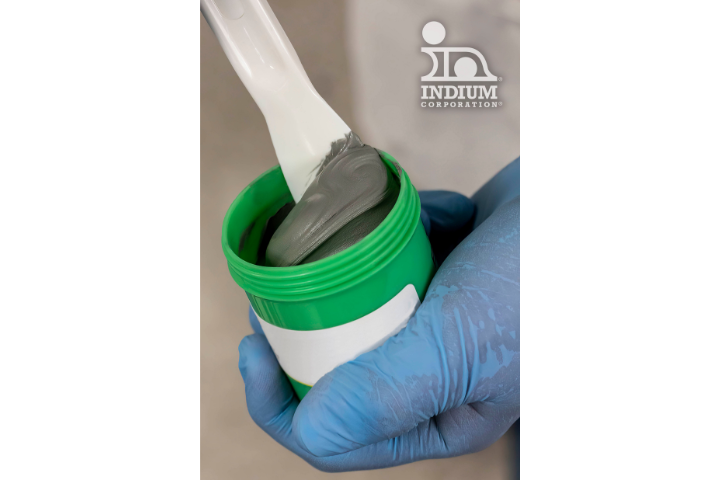
The Indium3.2HF, customers are just using water-wash solder paste, because after the reflow process, they need to clean away the residue before they do the molding process. If there is some residue left behind, it may cause delamination issues in the future.
Also, for the no-clean process, you can use the SMQ®75, which is the ultra-low residue paste, where after re-flow, you don't even need to clean the residue off. It's a really good advantage for the industry to have cost-savings in terms of cleaning process.
If the process for the SiP is a totally no-clean process, besides using the no-clean solder paste, you can also use the ultra-low residue Flip-Chip Flux when you need to attach the flip-chip onto the substrate. The whole process will totally be a no-clean process, and it really saves a lot of time and cost.
More information can be found at www.indium.com.
Keywords: Sze Pei Lim, Indium Corporation, [email protected], SiP Materials, solder paste printing process, water-wash, no-clean process, Indium3.2HF, SMQ75, Die-Attach Solder Paste, Flip-Chip Flux, die-attach
SaveSave