Modern electronics are at the heart of our world, powering everything from smartphones and electric vehicles to critical medical devices. The reliability of these advanced products depends on the quality of their internal connections, where soldering plays a crucial role. However, a persistent challenge in this process is the formation of tiny gaps, called voids, within the solder joint.
These defects can compromise performance and lead to premature failure. A groundbreaking research study from Indium Corporation unveils an innovative flux technology designed for solder joint void reduction, setting a new standard for reliability.
The Problem with Voids in Soldering
Think of soldering as gluing two metal components together. Now, imagine air bubbles getting trapped in that bond. In soldering, the impact of voiding on thermal performance in power electronics is significant.
Microscopic gaps that appear in the solder joint after the reflow process might sound insignificant. However, when heat is applied to melt the solder and create a permanent bond, even small gaps can cause serious issues, including:
- Poor Thermal Performance: Voids not only reduce the usable heat-sink area but also introduce air, a thermal insulator, during assembly. Voids obstruct the flow of heat, preventing efficient dissipation. This can create hot spots, reduce component efficiency, and lead to overheating.
- Reduced Mechanical Strength: Gaps in the solder joint reduce the intermetallic area and weaken the physical bond, making the device more susceptible to failure from stress or vibration.
- Signal Integrity Issues: In high-frequency applications, voids can interfere with electrical signals, degrading the performance and reliability of the device.
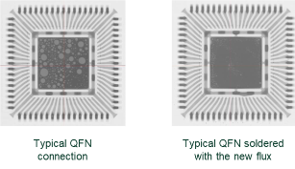
Figure 1. Effectiveness of preforms coated with the new flux
Solder joint void reduction is especially important in high-performance electronics used in data centers, radio antennas, and power devices, where even small voids can interfere with heat transfer and weaken the joint over time. In critical applications such as aerospace equipment and medical technology, reliability is essential and failures are not acceptable. Reducing voids helps ensure stable performance, effective heat dissipation, and long-term durability.
An Innovative Approach to Reducing Voids
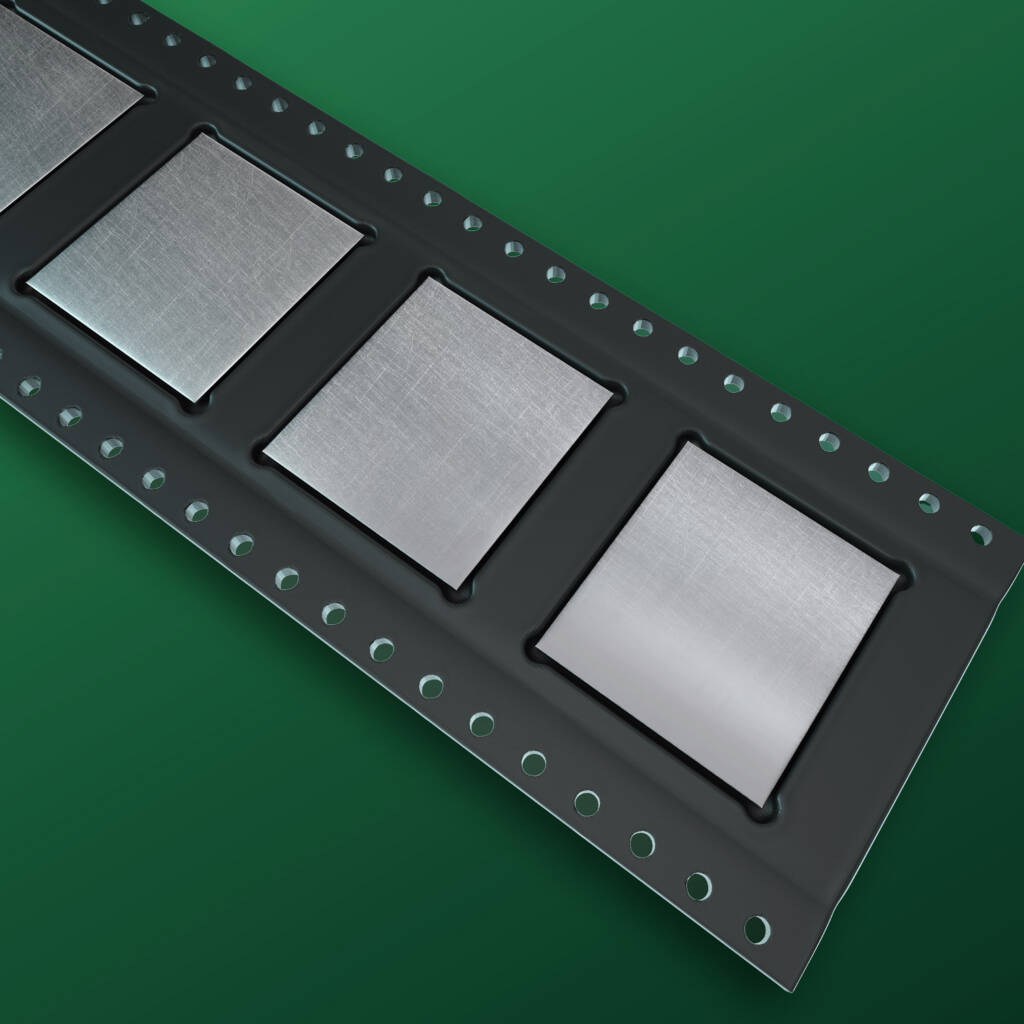
Researchers at Indium Corporation set out to understand what causes voids in solder joints during reflow and to address the problem by developing a next-generation preform flux technology. Preform flux is applied to solder preforms — flat, solid pieces of solder shaped for a specific assembly — and works by cleaning and preparing surfaces for bonding. The goal was to create the best flux for low-voiding solder preforms, therefore improving solder joint quality without trade-offs. To validate performance, the team conducted a series of rigorous experiments.
A Closer Look at the Methodology
The study compared the new flux with the current generation across various conditions to check its effectiveness at reducing voids.
Testing Parameters
The experiments used three different solder alloys to cover a range of applications:
- SAC305: A standard, widely-used, lead-free alloy
- Indalloy®301LT: A low-melting-point alloy for temperature-sensitive applications
- Pure Indium (In99.99): An alloy known for superior thermal management
These alloys were tested on substrates with common surface finishes, including electroless nickel immersion gold (ENIG), organic solderability preservative (OSP), and a hybrid of immersion silver and copper.
Experimental Conditions
By controlling factors such as the reflow temperature profile and atmosphere, researchers ensured a fair comparison. After the reflow process, they analyzed samples using X-ray imaging to measure the total void percentage by area and identify the largest single void in each joint.
Key Findings
The results demonstrated that the next-generation flux technology significantly outperformed its predecessor across all tested scenarios. This represents a significant advancement in soldering reliability, notably:
1. Dramatic Reduction in Void Percentages
The new flux delivered a substantial decrease in voids for every alloy tested:
- SAC305: Showed a 28% reduction in the average voiding percentage
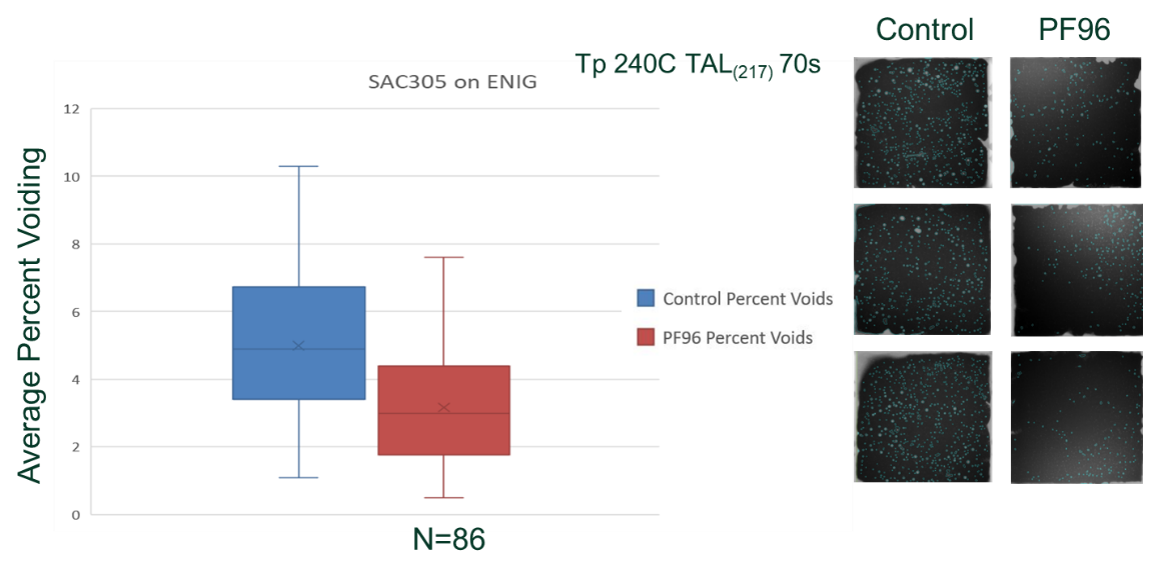
Figure 2. Voiding performance with SAC305 preforms on ENIG substrate
- 301LT: Voiding decreased by more than 46%
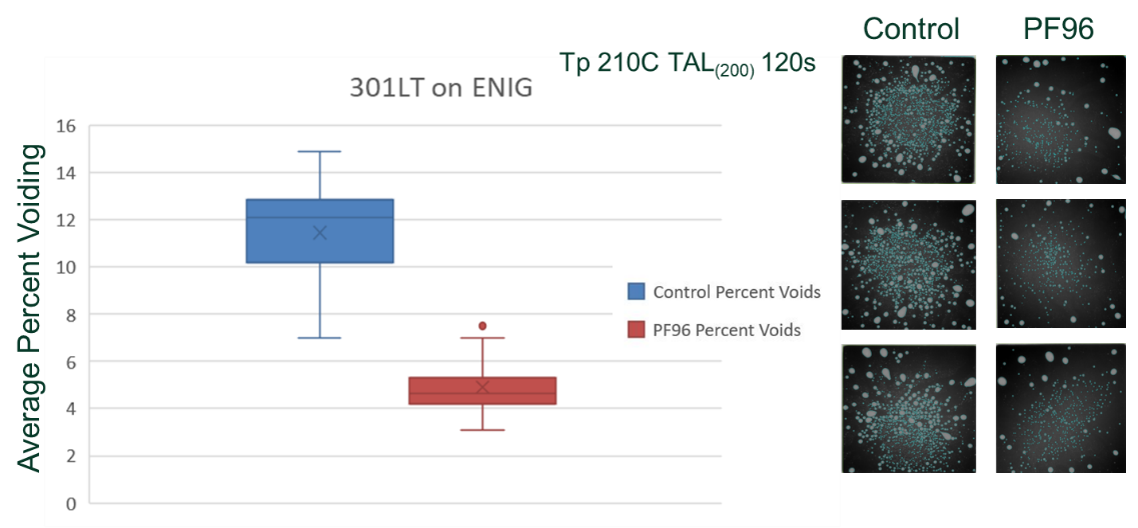
Figure 3. Voiding performance with Indalloy®301LT preforms on ENIG substrate
- Pure Indium: The most impressive result, with a 67% reduction in voids
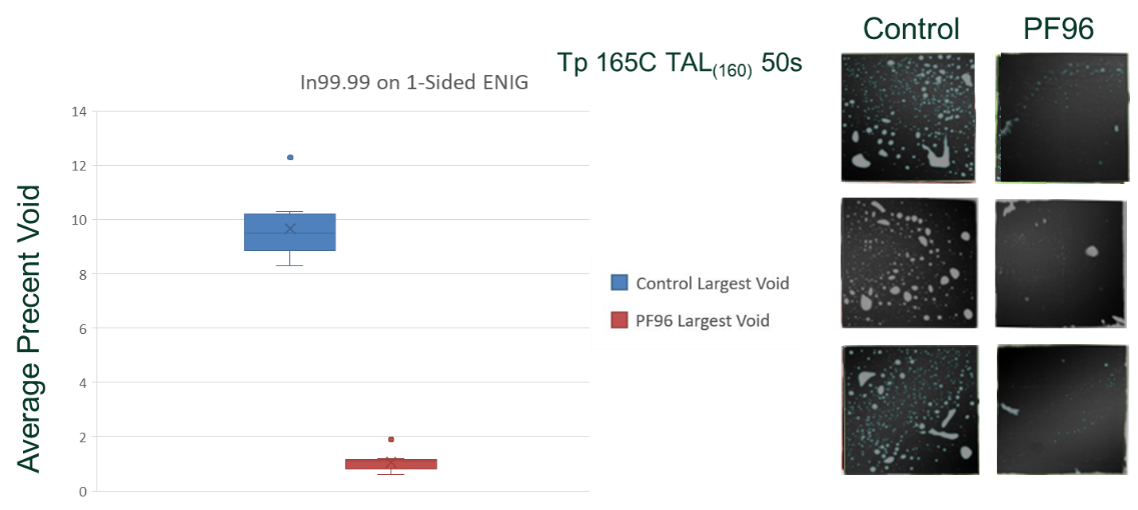
Figure 4. Voiding performance with 99.99% In preforms on ENIG substrate
Void percentage by area X-ray solder joint analysis confirmed the results, revealing far fewer and smaller voids in joints made with the new flux.
2. The Surprising Impact of Lower Temperatures
One of the most interesting discoveries was that the flux delivered consistently excellent performance even at lower reflow temperatures. This opens the door to more energy-efficient manufacturing, since lower heat reduces power consumption and minimizes thermal stress on sensitive components.
3. No Compromise on Joint Strength
A common concern with new materials is whether they sacrifice one property to improve another. The study addressed this by examining the intermetallic compound (IMC) thickness and conducting mechanical strength tests. The IMC layer is critical for a strong bond, and testing showed that the new flux produced a cleaner and more efficient bond without weakening it.
Lap shear strength tests confirmed these findings, showing no degradation in the joints’ mechanical durability. The bonds remained consistently strong, meeting the demands of real-world applications.
What This Means for the Electronics Industry
This innovation has far-reaching implications for manufacturers and engineers who rely on high-performance soldering.
- High Reliability: Lower void percentages directly translate to more durable and dependable electronic components. This means fewer product failures, longer lifespans, and improved long-term performance across all applications.
- Energy and Cost Savings: The ability to achieve better results at lower temperatures allows manufacturers to reduce energy consumption. This not only cuts operational costs but also promotes more sustainable and environmentally-friendly production workflows.
- Versatile Application: The new flux proved effective across a wide range of solder alloys and surface finishes. This adaptability simplifies the manufacturing supply chain by reducing the need for multiple specialized materials.
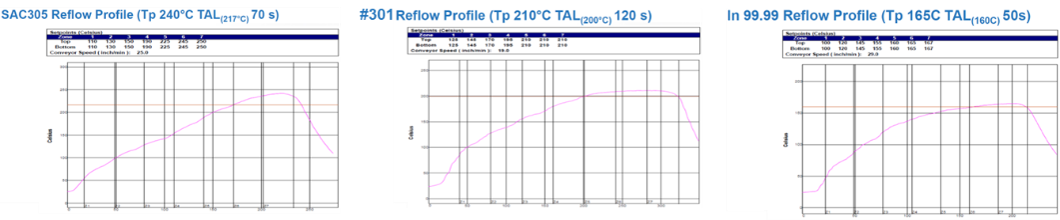
Figure 5. Examples of thermal profiles proving optimal results
The Future of Soldering Technology
The development of this next-generation preform flux is more than just an incremental improvement; it represents a significant leap forward in soldering science. By addressing the fundamental challenge of void reduction, this technology provides a stronger foundation for the electronics of tomorrow.
As these findings move from the lab to the assembly line, manufacturers will be empowered to enhance product performance, reduce warranty claims, and build more robust devices. For industries where reliability is paramount, this advancement is essential. This research lays the groundwork for a future where electronic devices are more efficient, dependable, and capable of meeting the ever-growing demands of modern life. If you are interested in learning more, click here to talk with a specialist.