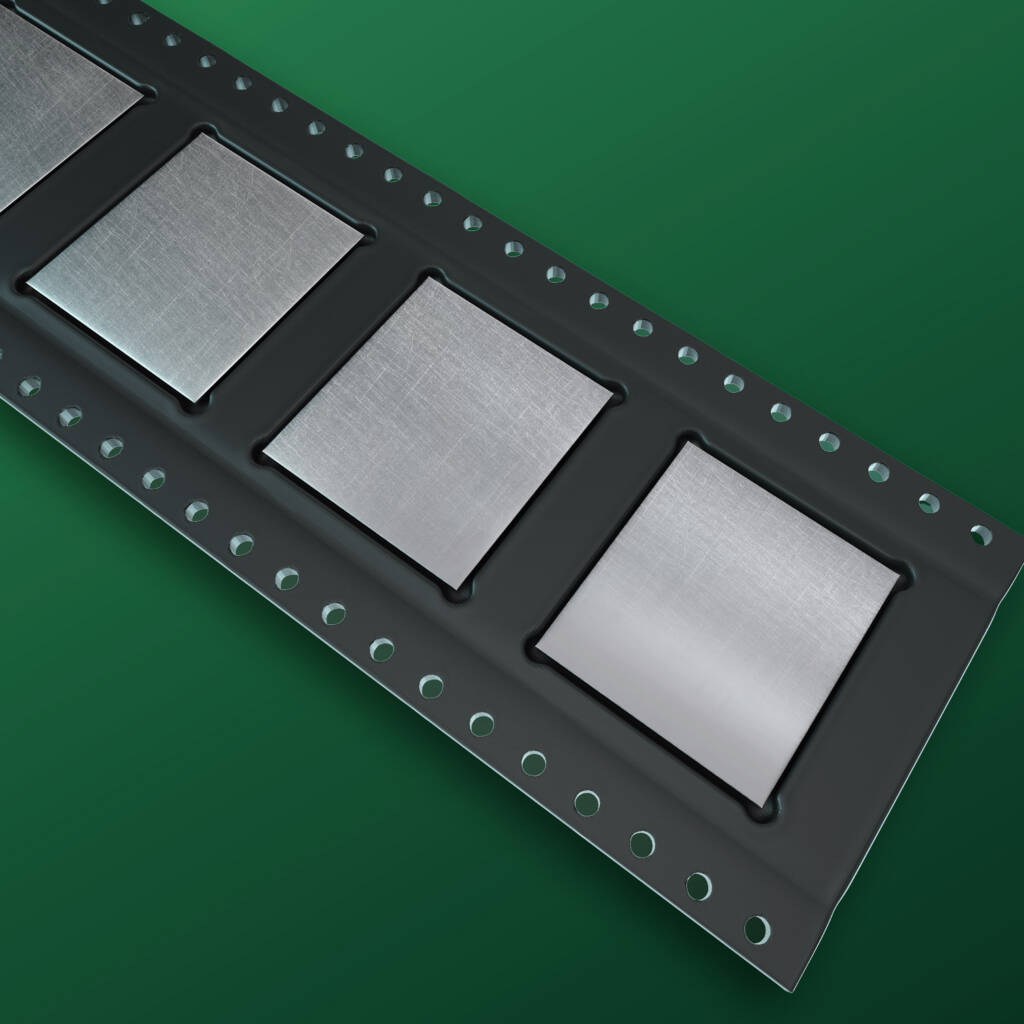
There are multiple types of thermal interface materials available, but due to its high thermal conductivity, compressibility, and ease of application, indium metal is one of the most desired thermal interface materials. There are several ways to apply the indium interface but if ultra low resistance is required, soldering an indium preform between two surfaces is one popular method. Pure indium is a great material for a solder-thermal interface due to its ability to self-passivate. While some metals will form very thick metal surface oxides when exposed to ambient conditions, indium forms only a thin film of oxide on its metal surface. The 80-100Å of oxide that it forms is the maximum thickness that will develop on the surface over 2-4 hours before this oxide begins to act as a protective barrier, protecting the surface from further oxidation. The presence of surface oxides makes it impossible for solder to wet onto a substrate. For wetting to occur, reducing gases, ultrasonics, chemical fluxes or other novel methods for oxide removal must be used. The oxide layer that indium forms is so thin that it does not obstruct solder wetting onto precious metal surfaces. Also, this oxide layer can be removed very quickly if desired by dipping the indium metal into a mild acid.
Strato di ossido di indio
Il team di blogger di Indium Corporation
Il nostro team di blogger comprende ingegneri, ricercatori, specialisti di prodotto e leader del settore. Condividiamo le nostre competenze in materia di materiali di saldatura, assemblaggio elettronico, gestione termica e produzione avanzata. Il nostro blog offre approfondimenti, conoscenze tecniche e soluzioni per ispirare i professionisti, mostrando le innovazioni dei prodotti, le tendenze e le migliori pratiche per aiutare i lettori a eccellere in un settore competitivo.