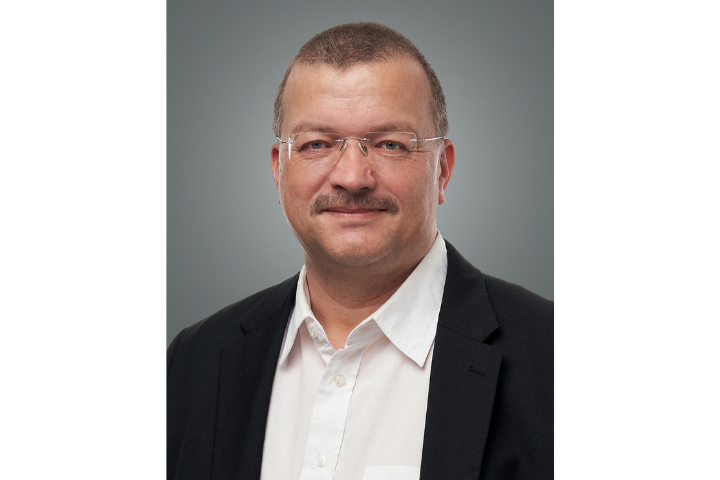
Andreas Karch, responsabile tecnico regionale e tecnico specializzato in applicazioni avanzate presso Indium Corporation,interverrà alprossimo seminario organizzato da iNEMI dal titolo“Resistenza all’umidità e coordinamento dell’isolamento per la mobilità elettrica”.Il seminario, ospitato daZESTRON Europe, si terrà il 1° febbraio a Ingolstadt, in Germania.
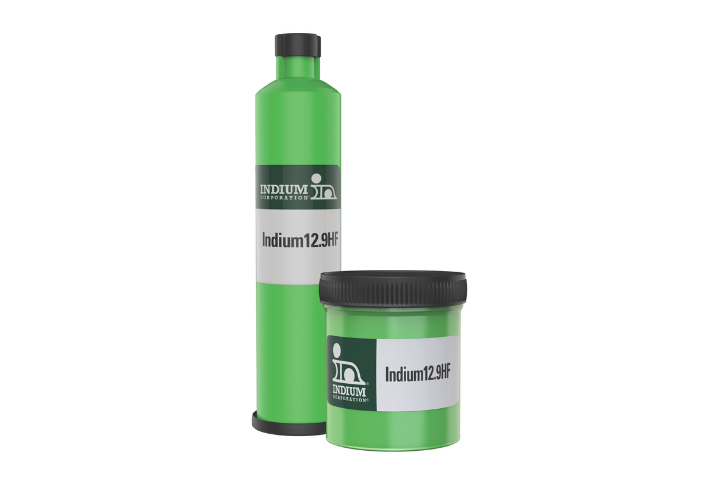
La presentazione di Andreas, intitolata“I residui di flussante no-clean nelle applicazioni automobilistiche devono soddisfare requisiti più elevati”, analizzerà l’influenza delle composizioni chimiche dei flussanti no-clean sull’affidabilità delle applicazioni su circuiti stampati nel settore automobilistico. In particolare, lo studio si concentra sui guasti causati dalla crescita dendritica nei componenti ad alta potenza e a bassa distanza di isolamento, in condizioni di SIR potenziato.
A causa della crescente elettrificazione del settore automobilistico (48 V, HEV, EV) e del conseguente impiego di componenti ad alta potenza, quali DPAK e Power-QFN, nell’elettronica sotto il cofano, anche le specifiche SIR (Surface Insulation Resistance, resistenza di isolamento superficiale) per la valutazione dell’affidabilità elettrica della composizione chimica del flussante per pasta saldante “no-clean” sono diventate più rigorose. Ad esempio, la tensione di prova è aumentata da 5 V a 1050 V, la durata della prova è passata da 168 a 5.001.000 ore, il passo è diminuito da 0,5 mm a 0,2-0,3 mm e la soglia minima di SIR è aumentata da 100 M a 500 M.
Le paste saldanti "no-clean" vengono normalmente utilizzate nell'assemblaggio di circuiti stampati per il settore automobilistico per saldare componenti con distanza di montaggio ridotta, quali i DPAK e i QFN di potenza (la distanza tra il pad del circuito stampato e la parte inferiore del componente è in genere inferiore a 75).
«Durante il riflusso, le sostanze volatili presenti nella composizione del flussante, come gli attivatori e i solventi, evaporano; tuttavia, una distanza di sicurezza ridotta limita la possibilità che tali sostanze volatili possano fuoriuscire, con conseguente formazione di residui di flussante “umidi” dopo il riflusso», ha affermato Andreas. «È quindi fondamentale che i residui di flussante no-clean non causino la crescita di dendriti ionici e la corrosione sotto i componenti di potenza con distanza di sicurezza ridotta, per tutta la durata di vita del prodotto».
Andreas ricopre il ruolo di Tecnologo per le Applicazioni Avanzate e Responsabile Tecnico per Germania, Austria e Svizzera presso Indium Corporation. Vanta oltre 20 anni di esperienza nel settore dell’elettronica automobilistica e dell’elettronica di potenza, compreso lo sviluppo di soluzioni avanzate su misura. Nel 2014 l’Ufficio austriaco dei brevetti gli ha conferito il premio “Inventum” per il suo brevetto relativo a un innovativo sistema di illuminazione a LED per autoveicoli, classificandolo tra i primi dieci candidati. È ingegnere di sviluppo certificato ECQA e ha conseguito la certificazione Six Sigma Yellow Belt.
Informazioni su Indium Corporation
Indium Corporation è un'azienda leader nella raffinazione, fusione, produzione e fornitura di materiali per i mercati globali dell'elettronica, dei semiconduttori, dei film sottili e della gestione termica. I prodotti includono saldature e flussanti, brasature, materiali per interfacce termiche, bersagli per sputtering, metalli e composti inorganici di indio, gallio, germanio e stagno e NanoFoil. Fondata nel 1934, l'azienda dispone di un'assistenza tecnica globale e di stabilimenti situati in Cina, Germania, India, Malesia, Singapore, Corea del Sud, Regno Unito e Stati Uniti.
Per ulteriori informazioni su Indium Corporation, visitateil sito indiumstg.wpenginepowered.como inviate un’e-maila Jingya Huang. Potete inoltre seguire i nostri esperti di “From One Engineer To Another”(#FOETA) all’indirizzowww.linkedin.com/company/indium-corporation/.