
If you have been hoping that you current BGA process doesn’t fall victim to non-wets, it’s time to gain confidence. It sounds like you need a ball attach flux that is powerful. Those old solderability tests that define a flux’s wetting characteristics are done on clean copper. If you’re like the rest of the industry, I doubt you are using bare copper pads on your substrates. We know what works with different alloys on many various surfaces including Au/Sn, OSP, and Nickel (to name a few). Stop worrying about the flux you are using and give me a call @ (315) 853-4900 x7592.
相關文章
Robotic Soldering Fundamentals Part 1: From Automation to Materials That Make It Reliable
Robotic soldering has evolved from a productivity upgrade into a precision requirement—especially as electronics become smaller, denser, and require shorter production cycles. In Part 1 of this
Rethinking Your Alloy Strategy: How to Win with Low-Silver Solder
Silver prices are escalating rapidly, consistently trending upward. If you manage a bill of materials (BOM) for electronics manufacturing, you understand precisely how this volatility impacts your
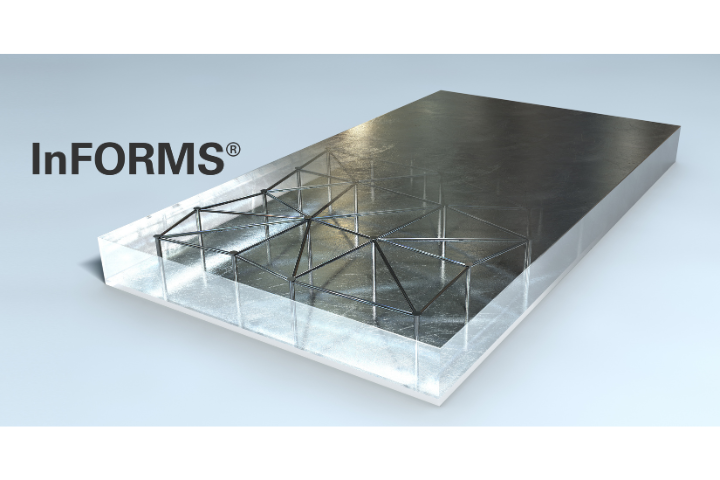
Mastering Assembly Consistency with InFORMS® Solder Preforms
Manufacturing modern electronics often feels like a balancing act—literally. Assembly tilt and uneven coplanarity are persistent headaches that compromise solder joints, leading to weak connections