

應用
低溫焊接
Low-temperature soldering has surged in popularity, driven by increasing technical and manufacturing challenges and a strong emphasis on sustainability. The industry is increasingly focused on developing alloys and processes tailored to diverse low-temperature needs. At Indium Corporation, we’re transforming the electronics manufacturing landscape with our innovative suite of low-temperature soldering materials and decades of expertise in low-temperate applications.

概述
Enhancing Performance with Sustainable Solutions
Low-temperature soldering offers both technical and environmental benefits. It helps reduce thermal stress, advance technology for complex designs, and eliminate heat-induced defects like warpages or damage to sensitive components. At the same time, it lowers energy costs and reduces carbon emissions, aligning with environmental regulations and supporting our customers’ sustainability goals.
Low-Temperature Soldering Applications

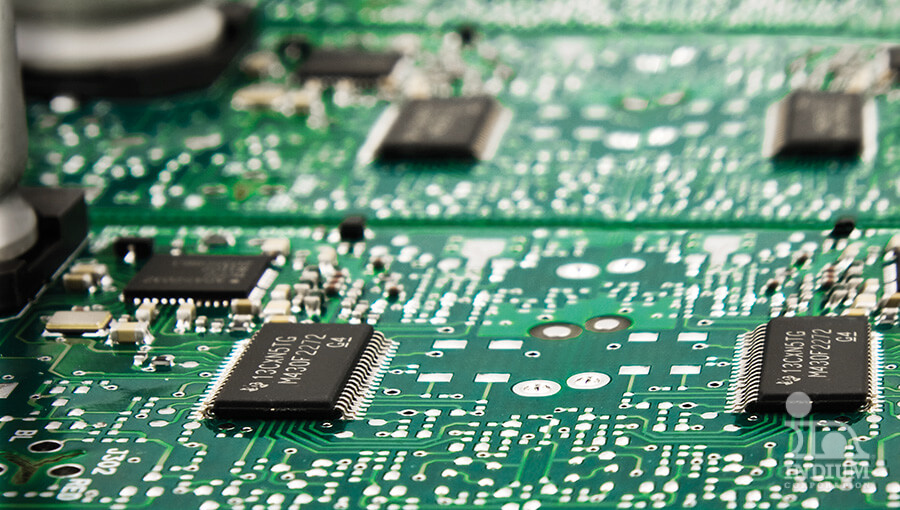
Attachment to Circuit Boards
Attachment of temperature-sensitive components to printed circuit boards.
Step Soldering
Step soldering, when a secondary, lower temperature reflow process is required after a standard SAC soldering process is completed.
Eliminate Warpage
Eliminating warpage of thinner chips due to high-temperature reflow.
IoT Devices
Low melting or low-Tg flex circuitry which are used in cellphones, smartwatches, and many internet-of-things (IoT) devices.
Large Area Array Devices
Large area array devices – such as BGAs – to avoid head-in-pillow (HIP) and non-wet-open (NWO) failures.
Low-Temperature Soldering Products
Discover our diverse portfolio of solders, including traditional indium- and bismuth-based alloys, as well as the innovative Bi+ and Durafuse® LT series, designed to meet advanced requirements.
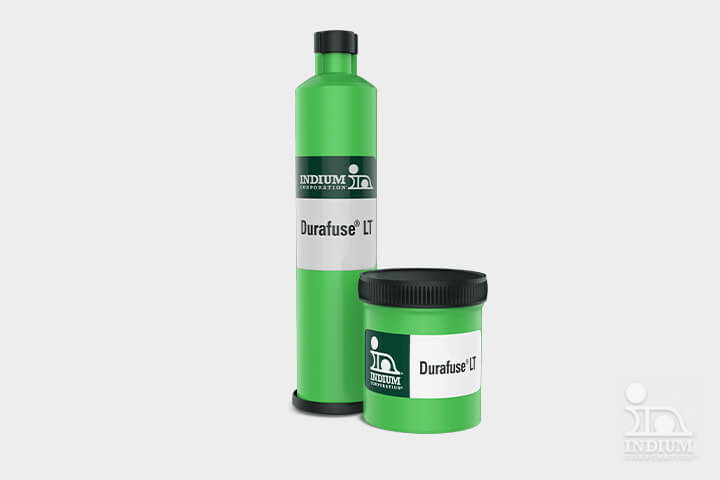
低溫焊膏
種類齊全的低溫焊膏系列。
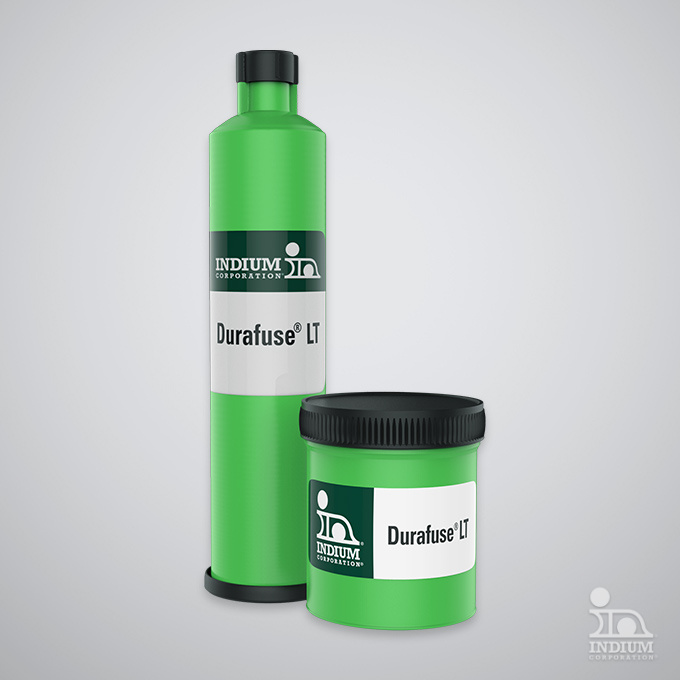
高可靠性漿料
Wide range of high-reliability solder pastes for…
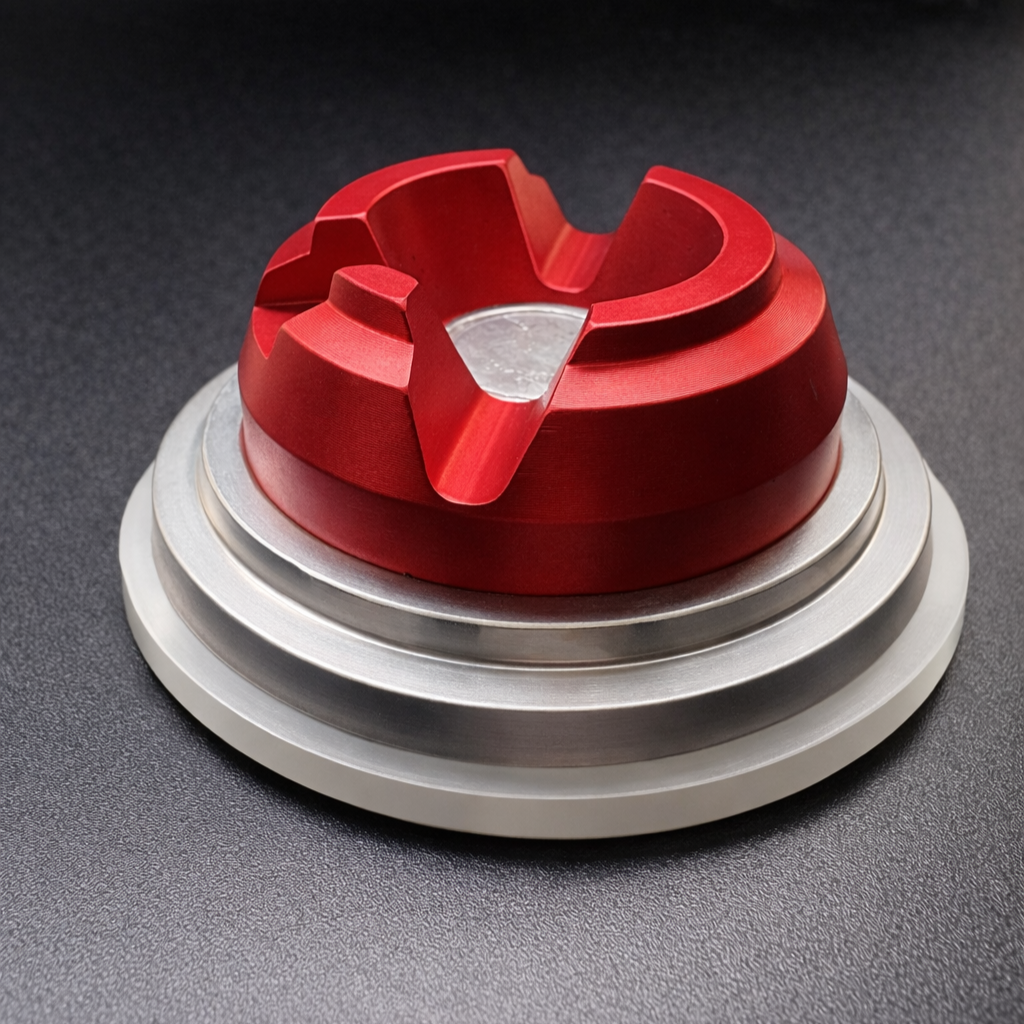
易熔合金/低熔點合金
利用其低熔點特性,便於進行接合。
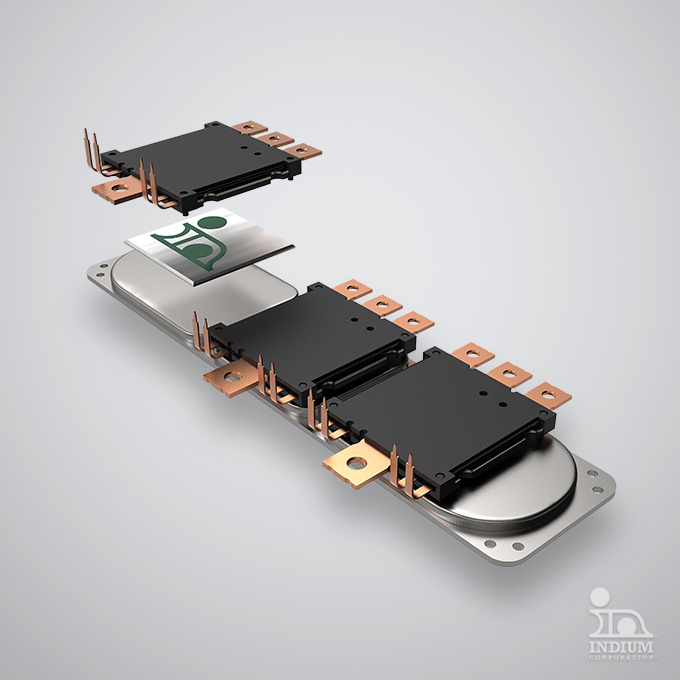
Indalloy®301LT
Indalloy® 301LT 提供多種用途的焊料形式及……
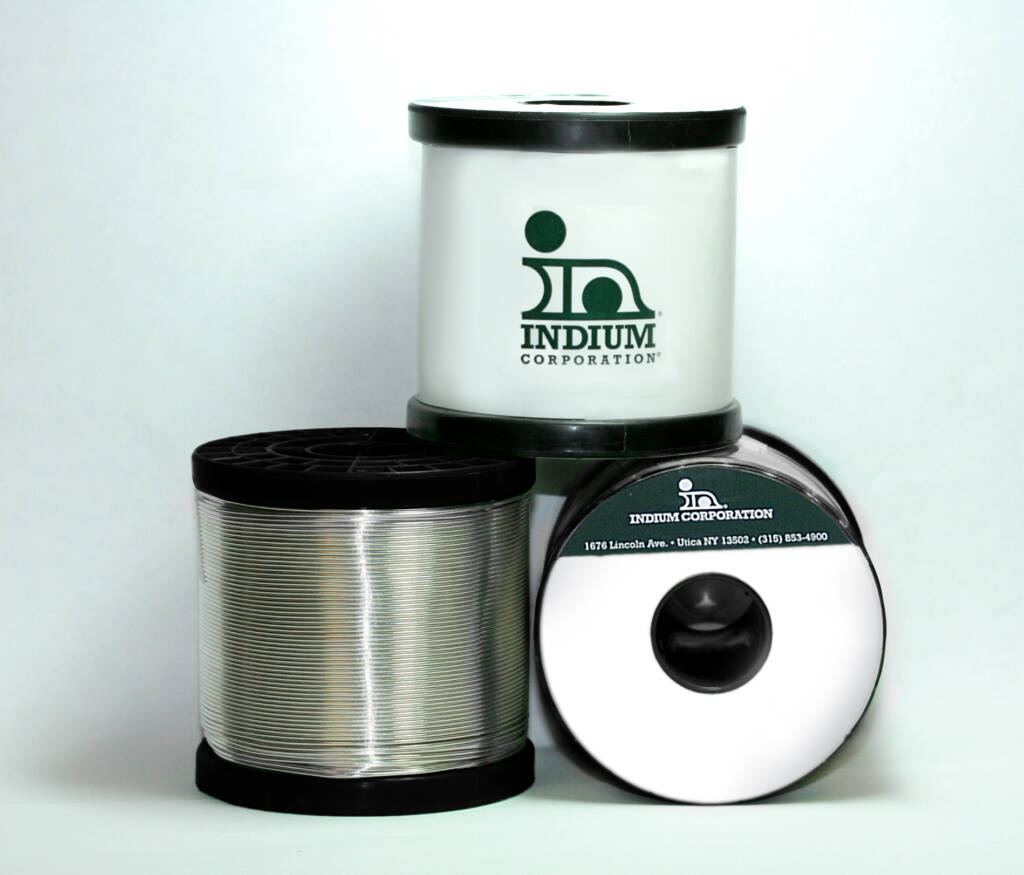
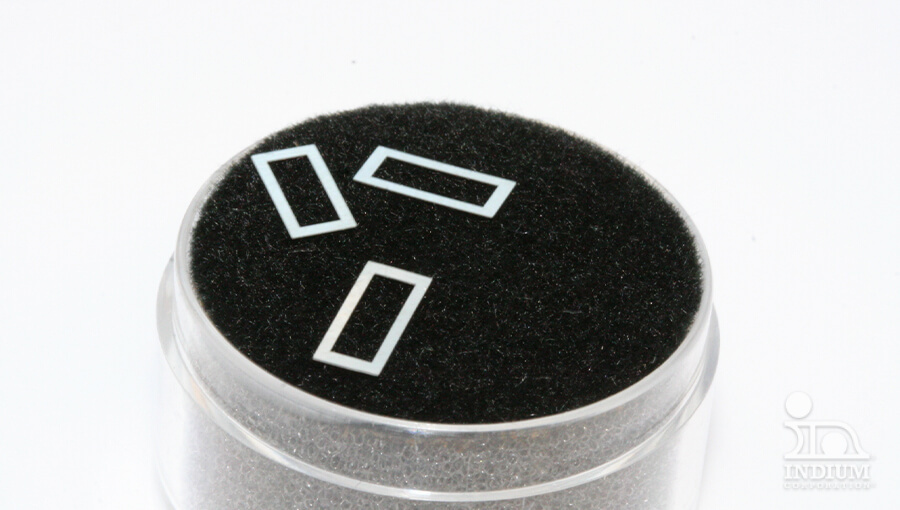
鉍金屬線
Use it for heat-sensitive components and environmental…
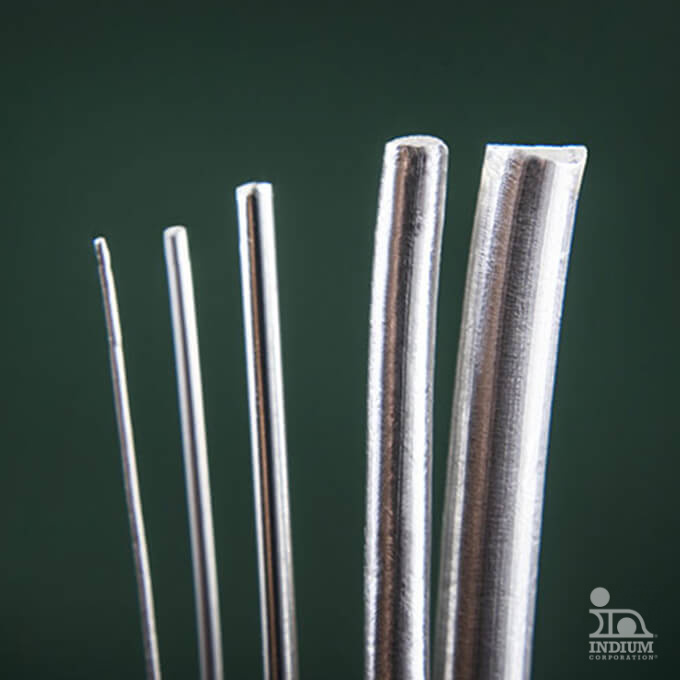
鎢絲
Indium wire offers low melting point, conductivity,…
相關市場
Our low-temperature soldering solutions are used in a wide range of industries, including mobile, server, automotive, infrastructure, and more. We work closely with our customers to provide tailored solutions for their unique applications.


您的成功
是我們的目標
使用最新的材料、技術和專業應用支援來優化製程。一切從與我們的團隊聯繫開始。