


應用
低溫液態與易熔合金
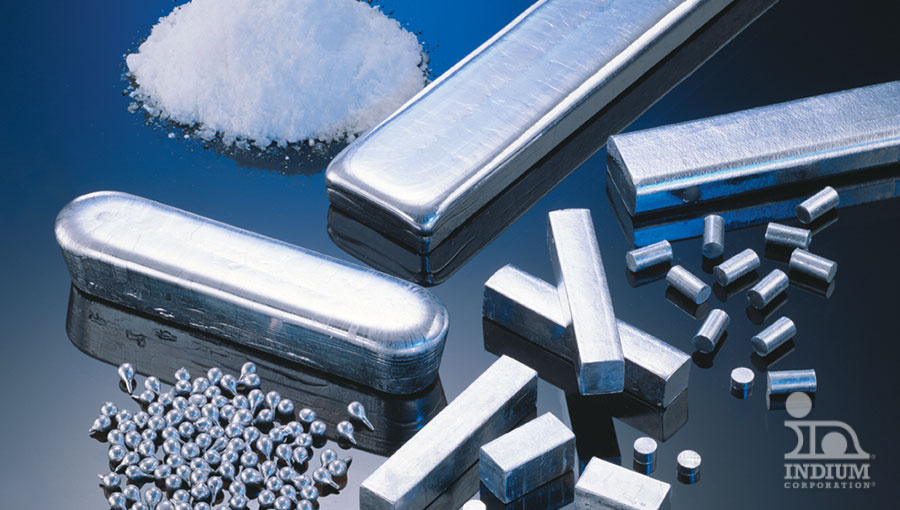
Creating alloys by mixing elemental metals allows us to achieve melting points that are not obtainable with single element metals. The specific melt point ranges that can be obtained make these materials attractive for a range of applications across a group of industries.

鏡頭阻擋
概述
在相對較低的溫度下熔化的合金可以有很大的用途範圍。
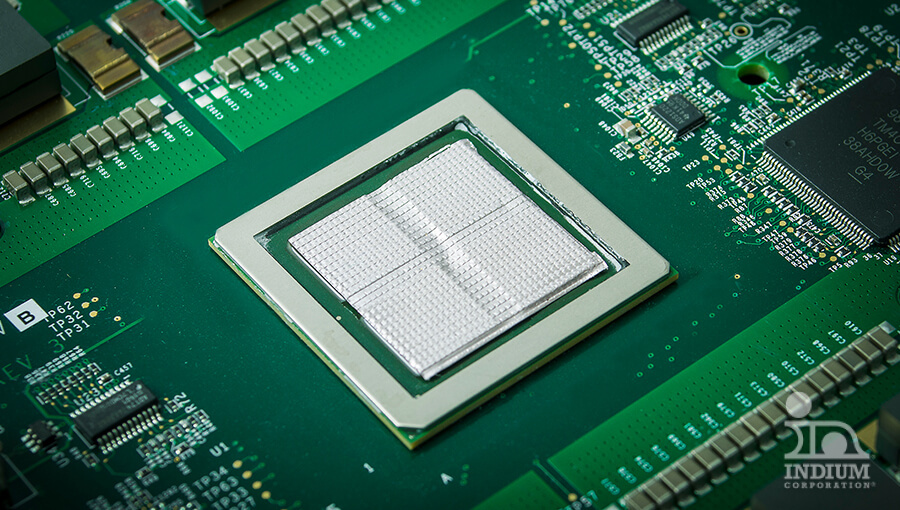
鎵的熔點接近室溫,可透過與铟和錫合金化進一步降低熔點。這些液態金屬對於熱能管理非常重要,可有效地將 CPU、GPU 及其他 AI 和資料中心應用中的高功率半導體晶片的熱量導出。
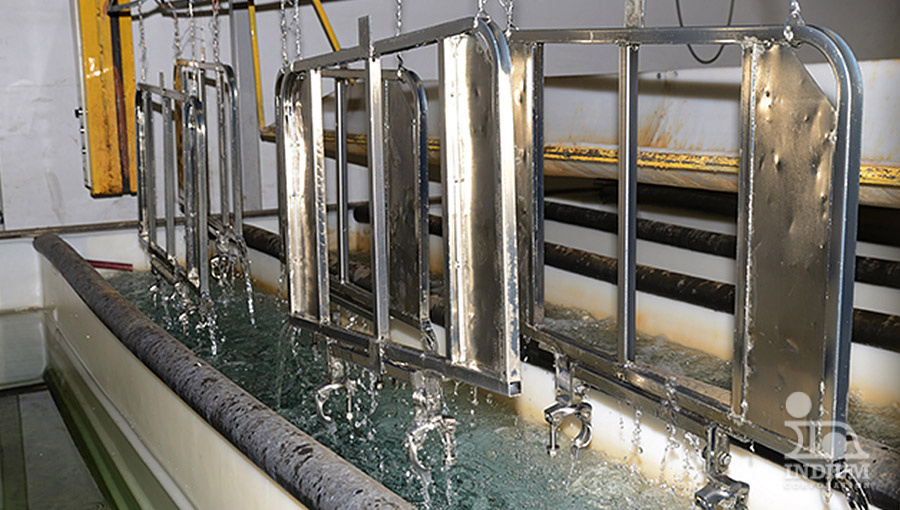
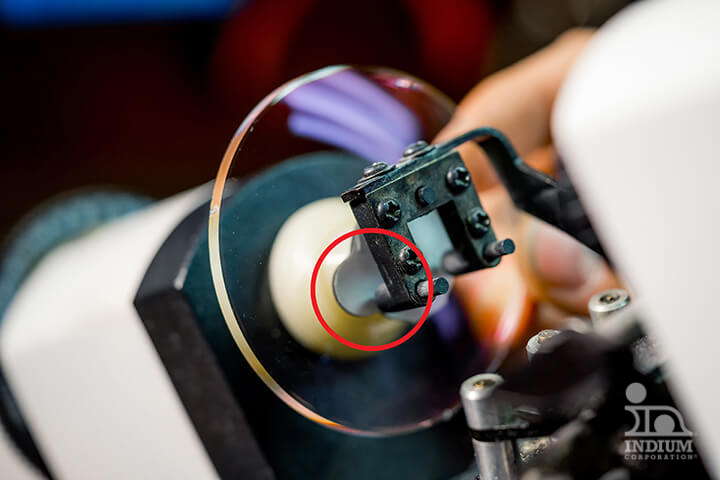
在 50°C 以上的溫度下,易熔合金可作為重要的臨時工件夾持材料,在鏡片閉鎖和渦輪葉片精加工等精加工過程中,可輕易熔化以夾持和保護工件。此外,這些合金的熔化相變可以觸發消防灑水裝置,提供一個無電操作的故障安全被動系統。
優點
Select From a Large Variety of Alloys to Control the Performance of Your Application at a Precise Melting Point

室溫或室溫以下的液態金屬
Gallium-based liquid metals are ideal for various applications.
精確的熔點控制
Customizable melt points range from 46°C to 200°C with specific alloys.
共晶合金的銳利熔點
使用共晶成分達到精確一致的熔解行為。
廣泛的組合
有多種合金可供選擇,包括符合安全和環保要求的無鉛和無鎘選項。
Low-Temperature and Fusible Alloy Products
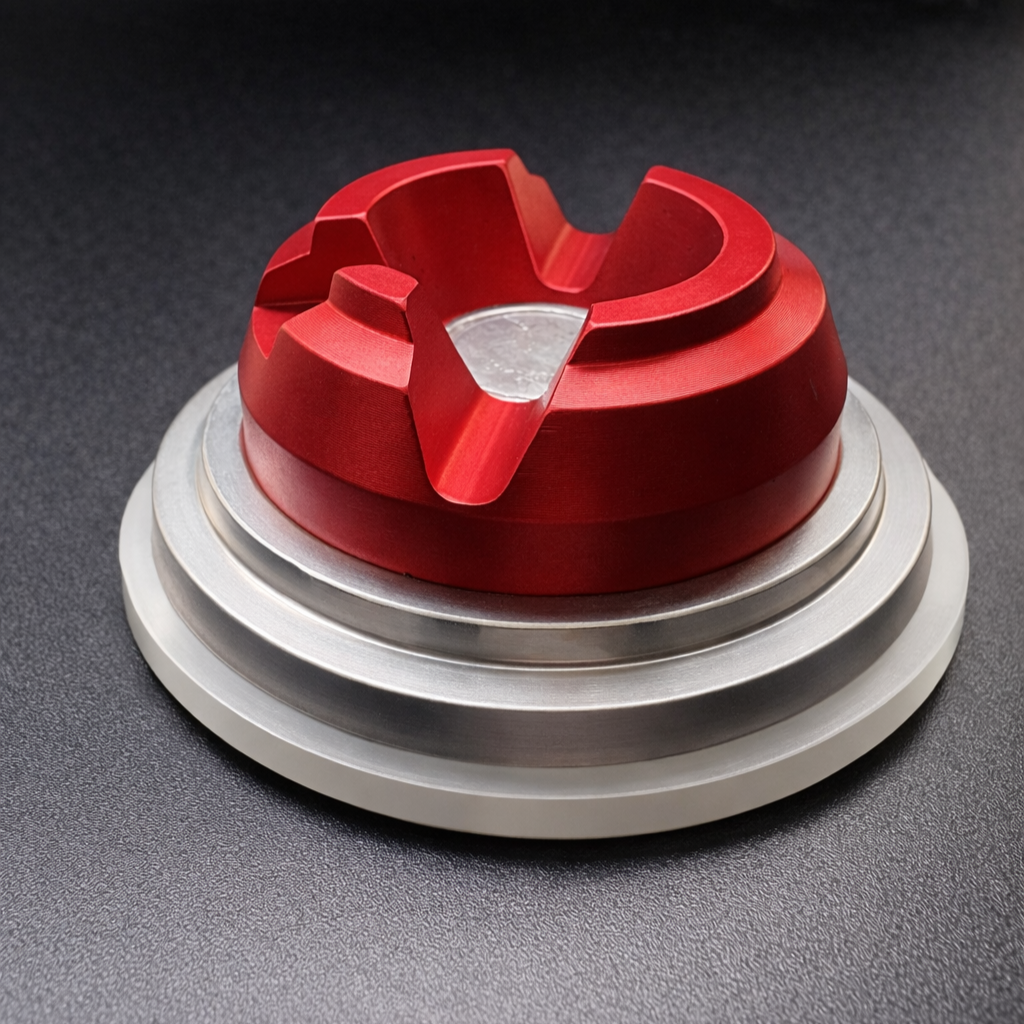
易熔合金/低熔點合金
利用其低熔點特性,便於進行接合。
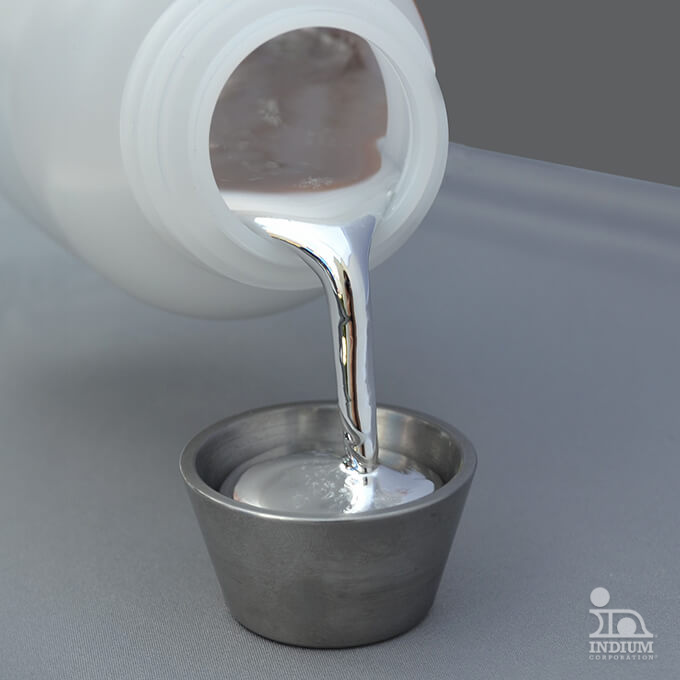
液態合金
探索熔點低且用途廣泛的液態合金……
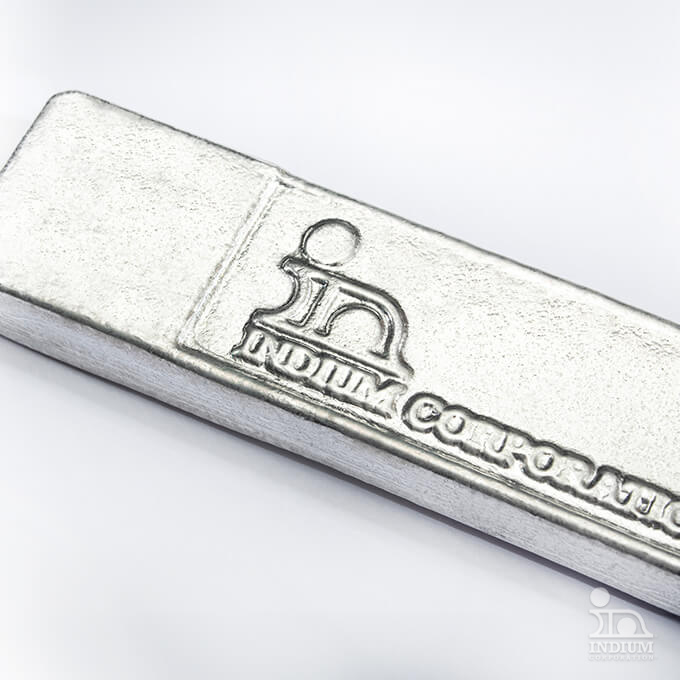
铟锭
Purity up to 99.99995%, various Indium Ingot…

焊料合金
Wide range of solder alloys with melting…
相關應用程式


您的成功
是我們的目標
使用最新的材料、技術和專業應用支援來優化製程。一切從與我們的團隊聯繫開始。