


应用
低温 和低熔点合金
Creating alloys by mixing elemental metals allows us to achieve melting points that are not obtainable with single element metals. The specific melt point ranges that can be obtained make these materials attractive for a range of applications across a group of industries.

镜头遮挡
概述
在相对较低的温度下熔化的合金具有广泛的用途。
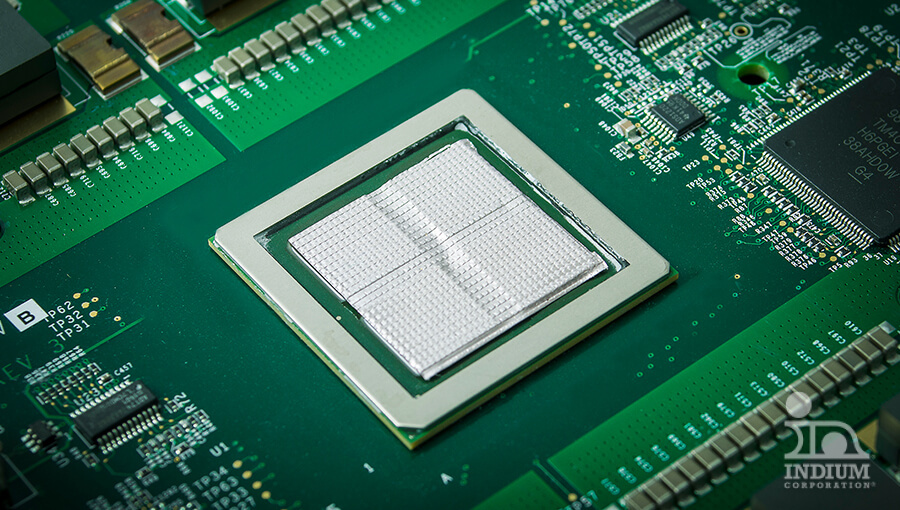
Gallium, which melts near room temperature, can have its melting point further reduced by alloying with indium and tin. These liquid metals are vital for thermal management, efficiently conducting heat away from CPUs, GPUs, and other high-power semiconductor chips in AI and data center applications.
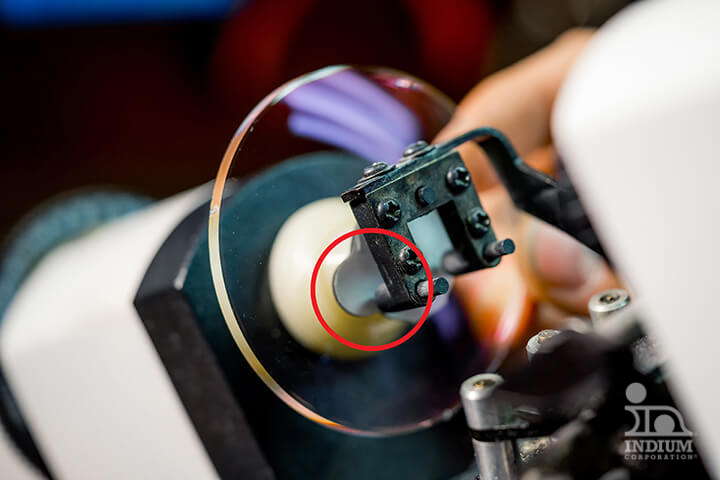
Above 50°C, fusible alloys serve as essential temporary work-holding materials, easily melting to clamp and protect workpieces during finishing operations like lens-blocking and turbine blade finishing. Additionally, the melting phase change of these alloys can trigger fire sprinklers, providing a fail-safe, passive system that operates without electricity.
益处
Select From a Large Variety of Alloys to Control the Performance of Your Application at a Precise Melting Point

室温或室温以下的液态金属
Gallium-based liquid metals are ideal for various applications.
精确的熔点控制
Customizable melt points range from 46°C to 200°C with specific alloys.
共晶合金的尖锐熔点
利用共晶成分实现精确一致的熔化行为。
广泛的创作范围
有多种合金可供选择,包括符合安全和环保要求的无铅和无镉合金。
Low-Temperature and Fusible Alloy Products
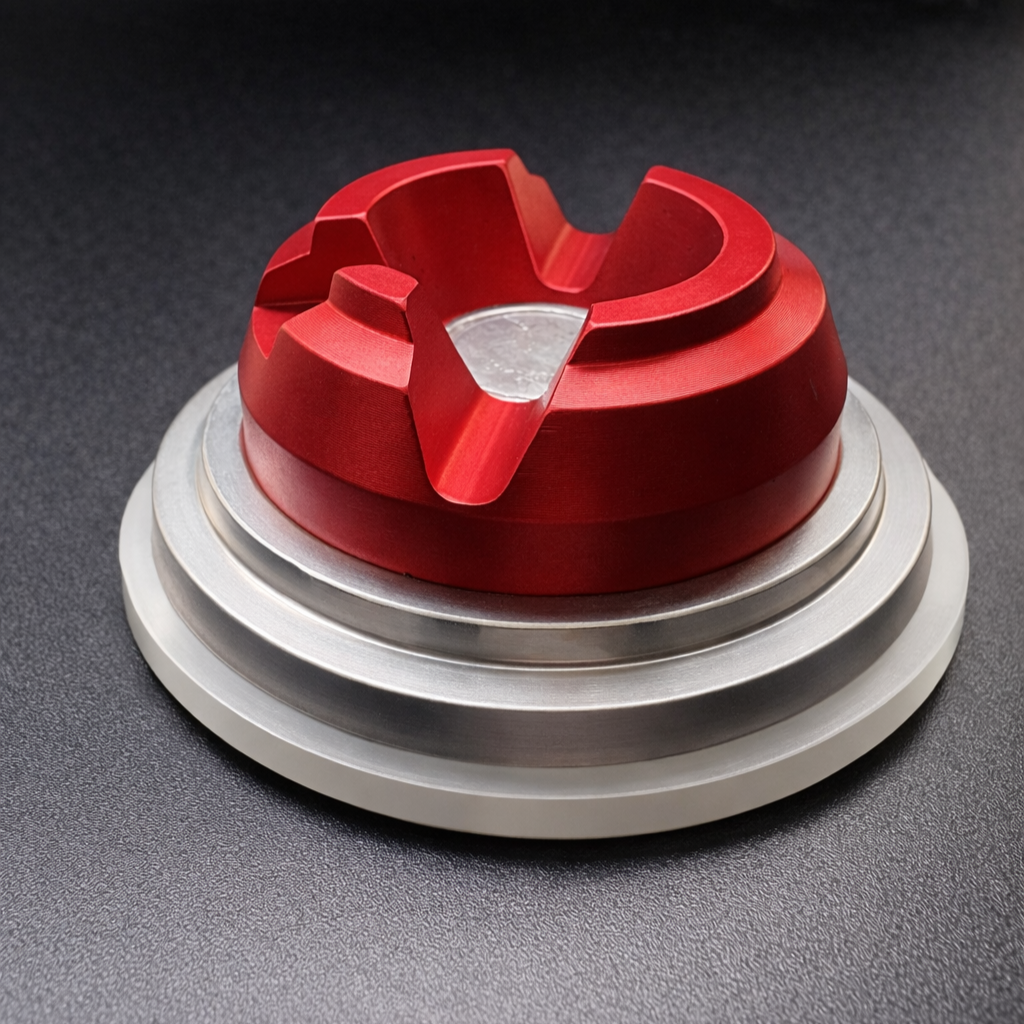
低熔点合金 熔点 低熔点合金 熔点
利用低熔点特性,便于粘接。
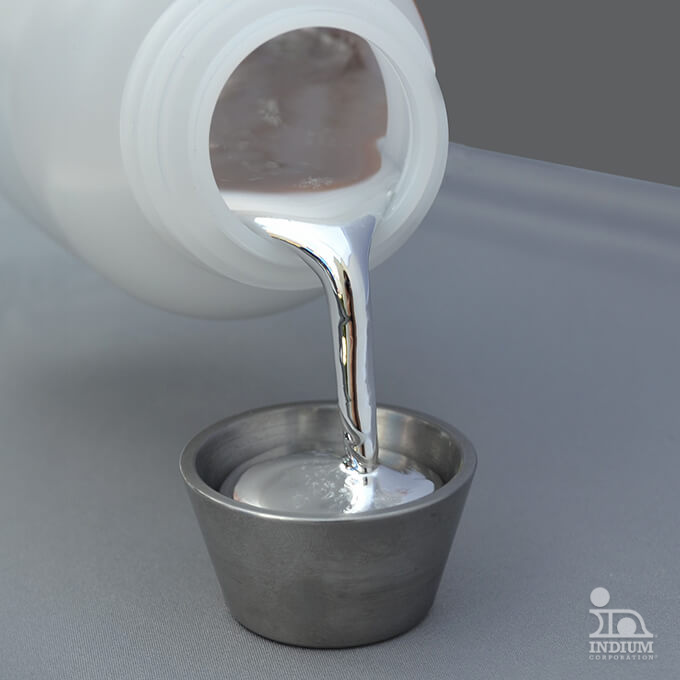
液体合金
探索熔点较低且用途广泛的液态合金……
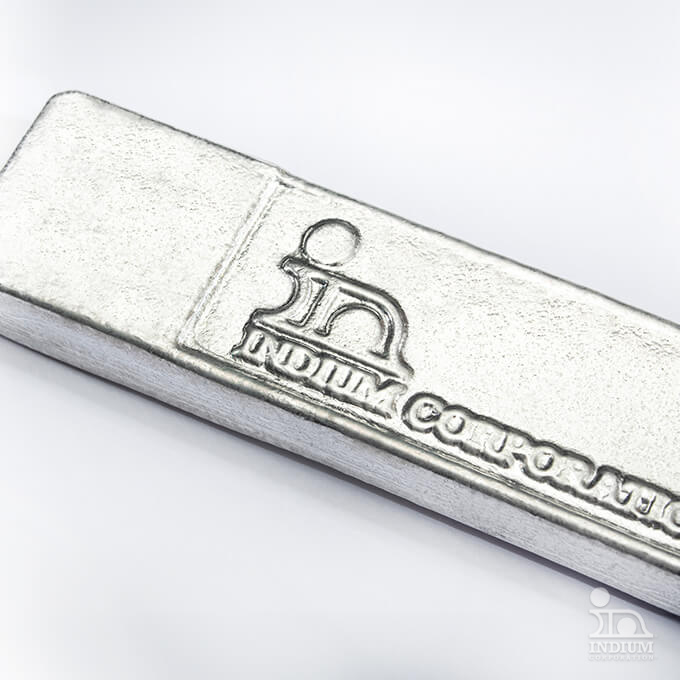
铟锭
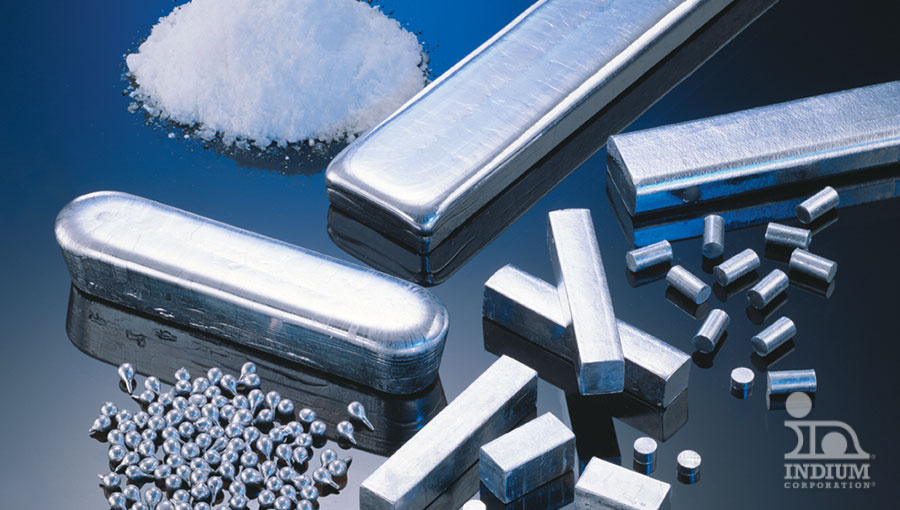
纯度高达99.99995%,各种铟锭……

焊料合金
种类繁多的焊料合金,其熔点……
相关应用


您的成功
是我们的目标
借助最新的材料、技术以及专家应用 优化您的生产流程。一切都始于与我们团队的联系。