Solar tabbing ribbon typical consists of 10-15 micrometers of solder alloy coated on OFHC or ETP copper strip. SN60, (60% tin and 40% lead) or SN62, (62% tin, 36% lead and 2% silver) typically are the two standard lead-containing solder alloy choices. Both solder alloys have excellent wettabilty and have a history of use dating back to the early days of radio assembly, and therefore the reliability is well established for both alloys. Inherent solder alloy wettability is particularly important because the silver thick film metallization on photovoltaics is more difficult to wet, compared to the metallizations on printed circuit boards used in electronics assembly. Since the implementation of RoHS, a European directive that severely restricted the use of lead containing solders in Europe in 2006, the use of lead-containing solder in electronics has rapidly declined. In general, lead-free solders have poorer wettablity compared to lead-containing solders and the wettablity varies among different lead-free solder alloys. Of the several lead-free solder alloys available, 96.5% tin, 3.0% silver and 0.5% copper has been become the defacto standard in electronics assembly. Commonly known as SAC305, this alloy has better wettability and a lower melting point compared to SN96, (96.5% tin and 3.5% silver), the lead-free solder currently most commonly used today in tabbing ribbon. So the question is why isn't SAC305 used more often in solar tabbing ribbon?
関連記事
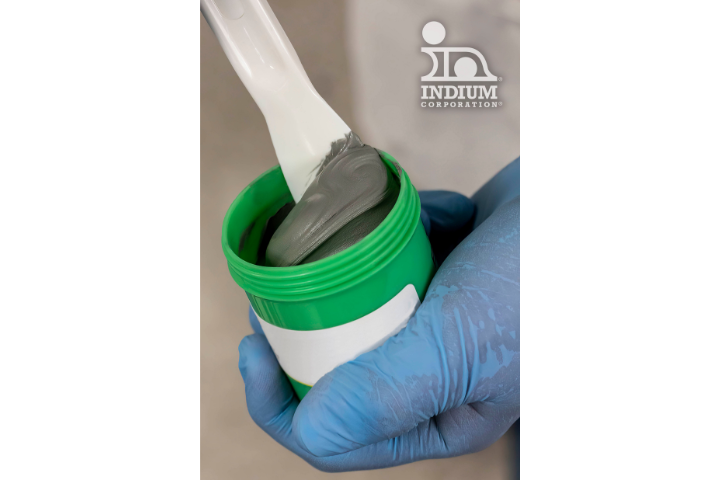
Rethinking Your Alloy Strategy: How to Win with Low-Silver Solder
Silver prices are escalating rapidly, consistently trending upward. If you manage a bill of materials (BOM) for electronics manufacturing, you understand precisely how this volatility impacts your
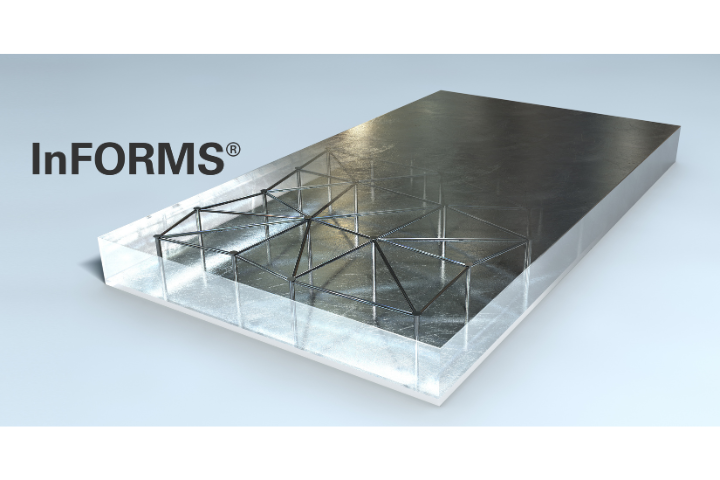
Mastering Assembly Consistency with InFORMS® Solder Preforms
Manufacturing modern electronics often feels like a balancing act—literally. Assembly tilt and uneven coplanarity are persistent headaches that compromise solder joints, leading to weak connections
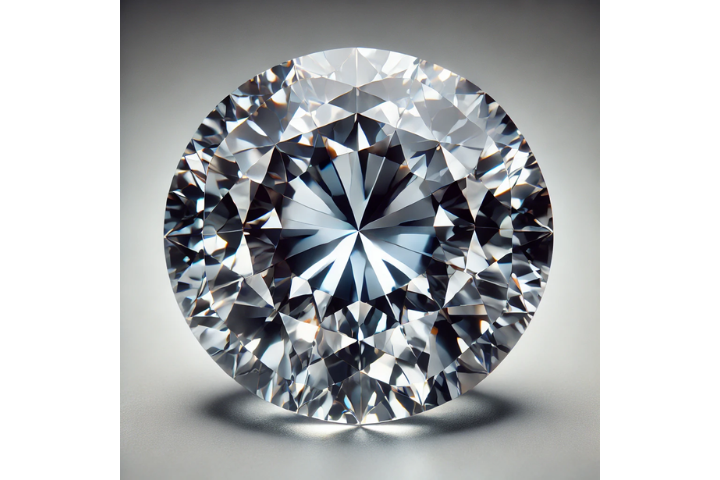
The Crystal That Solves AI’s Data Bottleneck – GGG
This is not a diamond. Can you believe this crystal contains gallium? Yes, this is a garnet crystal of gadolinium gallium, commonly called GGG, with the chemical formula Gd3Ga5O12. GGG crystals are