
製品紹介
金ハンダ
インジウム・コーポレーションは、医療、航空宇宙、オプトエレクトロニクス、自動車、その他多くの産業におけるダイ・アタッチやハーメチックシールなどの高温・高信頼性用途の金はんだイノベーターをリードしています。
Gold-based alloys offer strong joints, excellent corrosion and oxidation resistance, and good thermal and electrical transfer at the joint. Our gold solder portfolio includes wire, paste, preforms, and ribbon. They are manufactured with cutting-edge technology to ensure quality as well as push the boundaries of precision.
Powered by インジウム株式会社
- あらゆるはんだの中で最高の引張強度
- 優れた熱伝導性
- 鉛フリーおよびRoHS対応
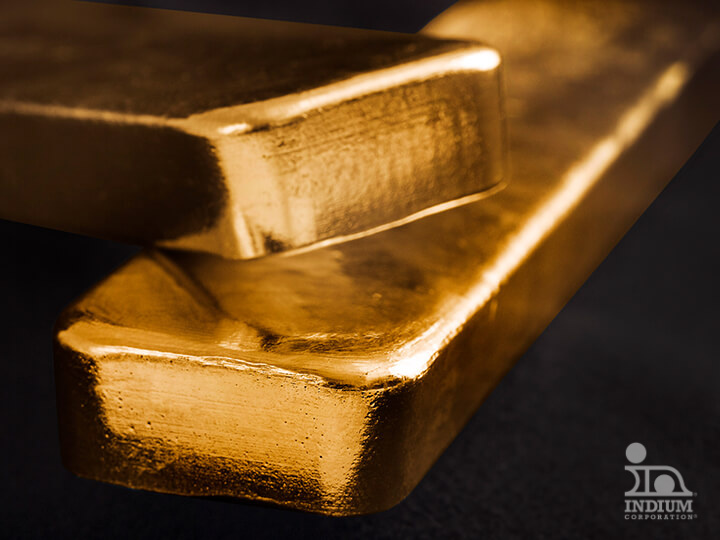
金はんだの概要

金製品を選ぶとき
Higher yields and cost per unit make gold a viable option for many applications, even though the initial cost is more than alternative solders. A low oxygen atmosphere may be required if the application is flux free. In some instances, pressure is required to promote strong, void-free reflow on horizontal services.
属性
金はんだは、強力な接合強度、優れた耐食性と耐酸化性、ろう付け接合部での信頼性の高い熱伝導と電気伝導で知られています。
加工オプション
真空はんだ付け、ダイアタッチ、リフロー、レーザーはんだ付け、気相リフロー、手動はんだ付けなど、実績のある処理方法からお選びいただけます。
特徴
当社は、1,100℃までの温度に耐える320種類以上の合金ソリューションを提供しています。金はんだ、焼結、プリフォーム、および新しいフラックスシステムと統合された高度な合金技術を含む革新的な鉛フリー代替品も、当社の継続的な開発努力の一部です。

>280°C
High melting point compatible with subsequent reflow processes.
重要なアプリケーション
Automotive, RF infrastructure, medical, laser, military, and aerospace applications.
鉛フリー
Lead-free and RoHS compliant.
#信頼性No.1
Highest tensile strength of any solder.
金ベース合金
Indium Corporation offers a broad range of gold-based alloy solutions with melting temperatures up to 1,064°C:
| 合金名 | 構成 | 融点 |
|---|---|---|
| インダロイ®182 | 80Au20Sn | 280°C 共晶 |
| インダロイ®200 | 100Au | 1,064°C Eutectic |
| インダロイ®178 | 82Au18In | 固体 451°C / 液体 485°C |
| インダロイ®184 | 96.8Au3.2Si | 363°C 共晶 |
| インダロイ®183 | 88Au12Ge | 356°C 共晶 |
| インダロイ®270 | 75Au25Sn | 固相 278°C / 液相 332°C |
| インダロイ®269 | 78Au22Sn | 固体温度 278°C / 液体温度 301°C |
| インダロイ®271 | 79Au21Sn | 固体温度 278°C / 液体温度 289°C |
金はんだ製品
業界における長年の経験により、私たちは製造上の課題を解決するための知識と専門知識の強固な基盤を築いてきました。私たちは、幅広い合金とフラックスの選択肢を提供し、私たちの技術的な熟練度を活用して、各顧客の戦略的な味方として、卓越した結果とパフォーマンスを確実に提供します。
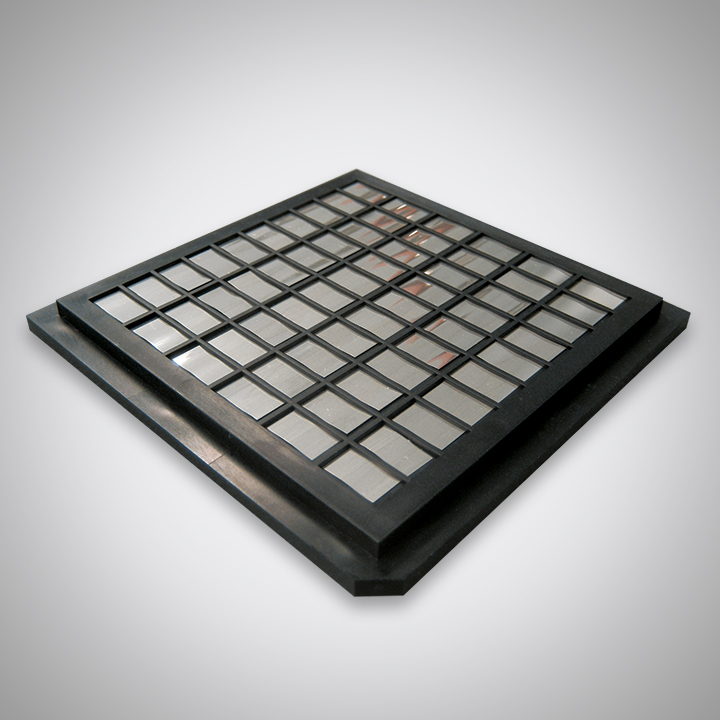
金合金プリフォーム
共晶および…を備えた高性能・高精度の金プリフォーム
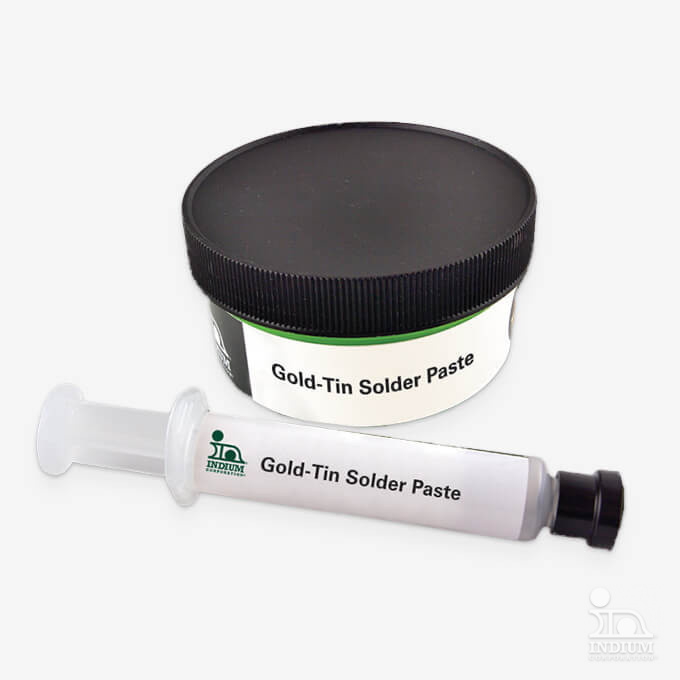
金合金はんだペースト
洗浄不要で水溶性の金・スズ系はんだペースト…
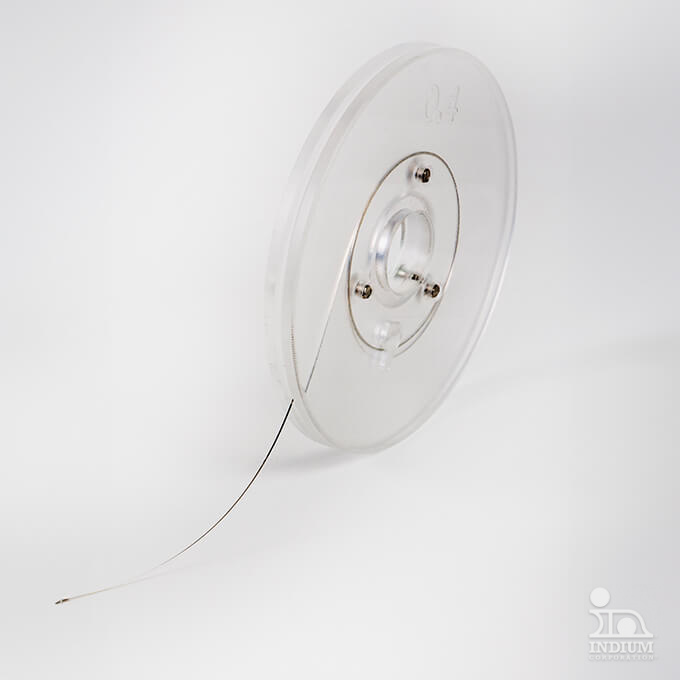
金合金リボン
精密用途向けの、耐久性に優れ、高性能な金合金リボン。
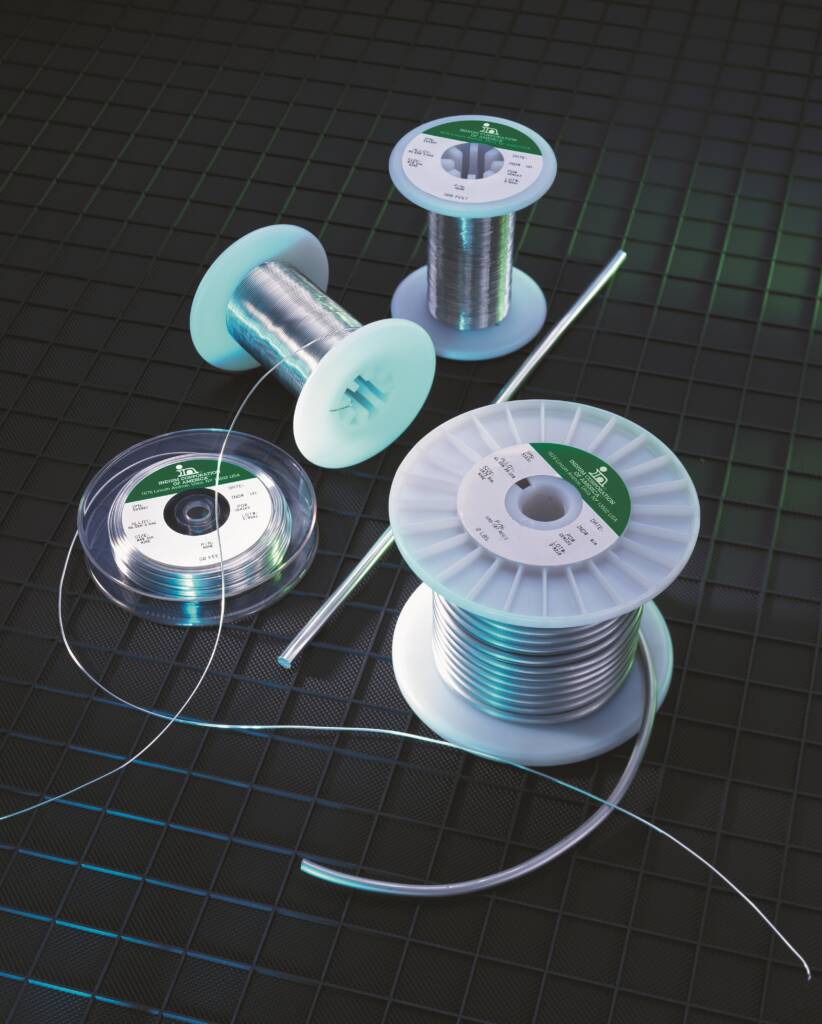
オーストラ®ファインワイヤー
Gold-Alloy Wire AuLTRA® Fine Wire Indium Corporation’s…
関連アプリケーション
金はんだ製品は様々な用途に適しています。
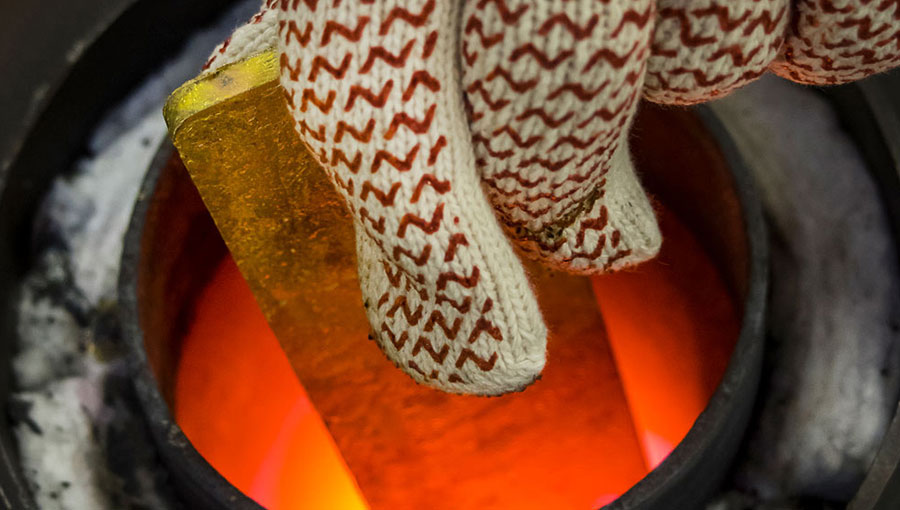
高温はんだ付け
重要な用途向けの高温はんだ付け材料を提供しています…
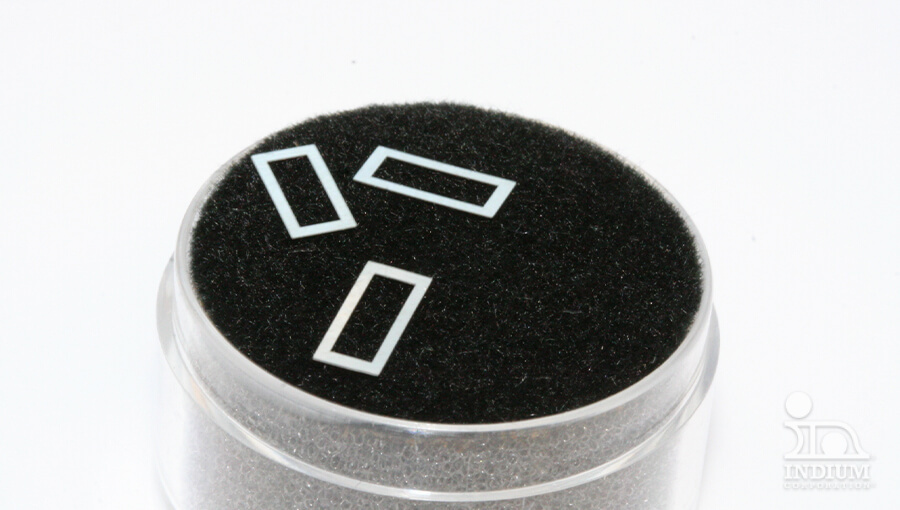
シール:極低温および気密
…用の低温液体および可融合金
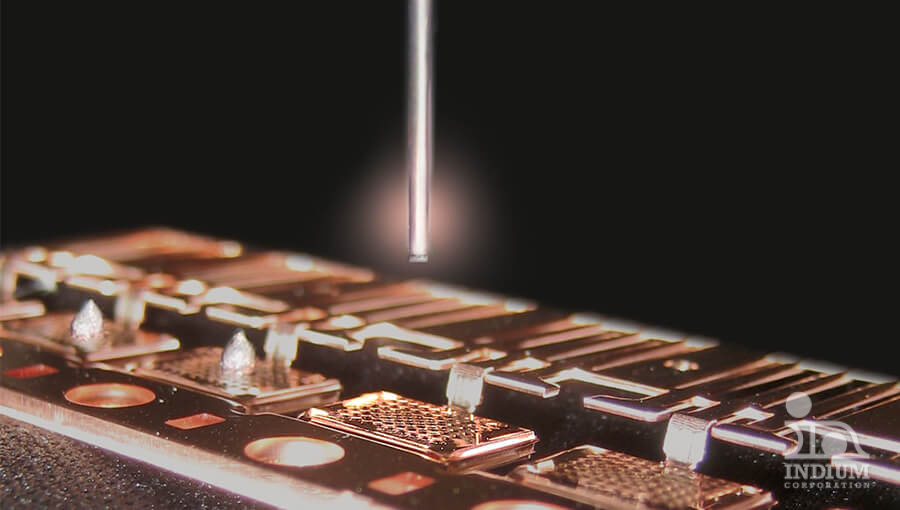
ダイ・アタッチ
ダイアタッチソリューションには、はんだペーストから金ベースの…
関連市場
インジウム・コーポレーションは、高温、高信頼性、ダイ・アタッチや気密封止などの重要な用途向けの金はんだのイノベーターをリードしています:


関連商品
Durafuse® ファミリーには、多様なニーズに対応するために設計されたさまざまな低温はんだ付けソリューションとともに、さまざまな製品があります。
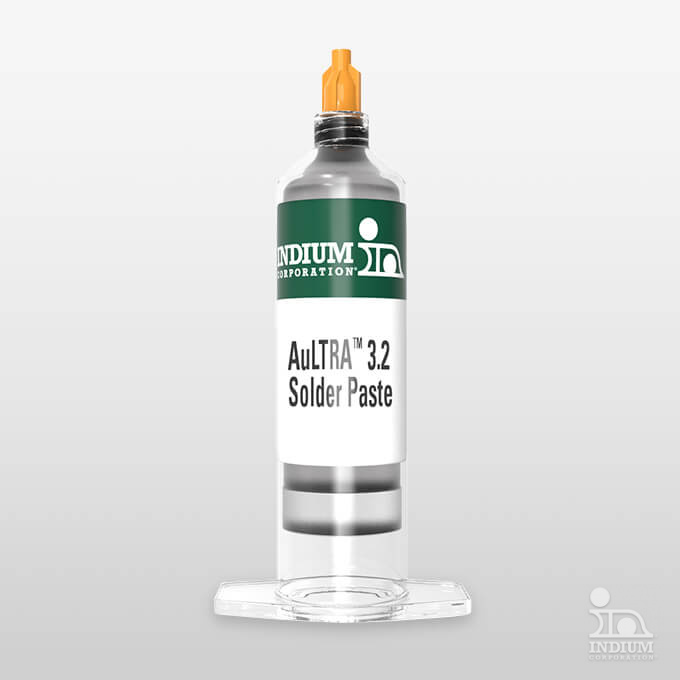
AuLTRA®3.2
AuLTRA® 3.2 gold-tin solder paste: reliable, low-void…
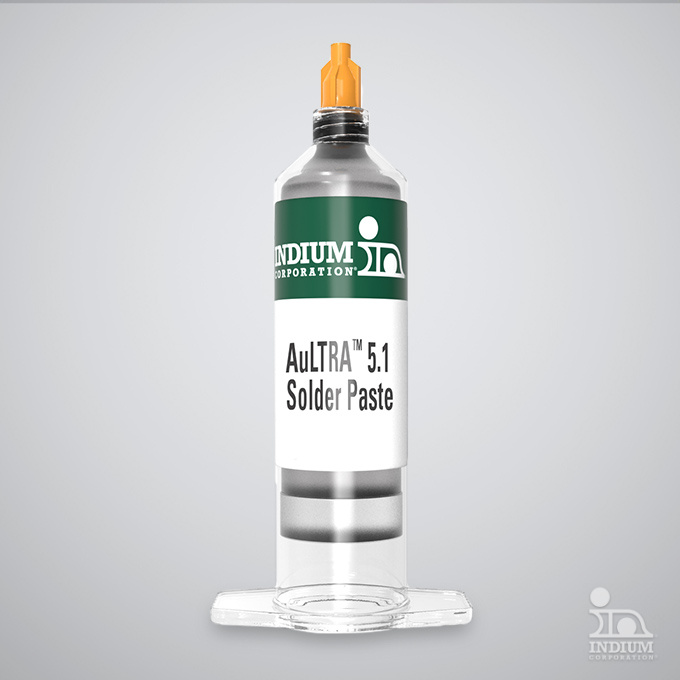
AuLTRA®5.1
No-clean solder paste ensures high-temp, precise assembly,…
AuLTRA®75
Off-eutectic gold-alloy preforms, engineered for high-reliability die-attach…
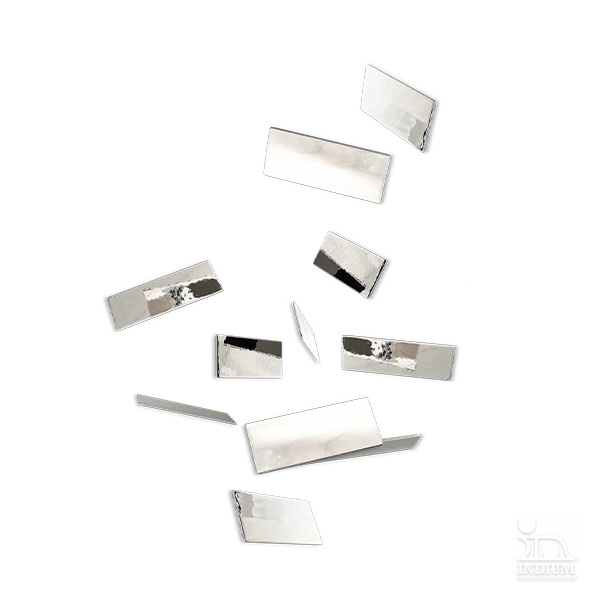
AuLTRA®精密ダイ・アタッチ・プリフォーム
Gold-based precision die-attach preforms deliver top-notch precision…
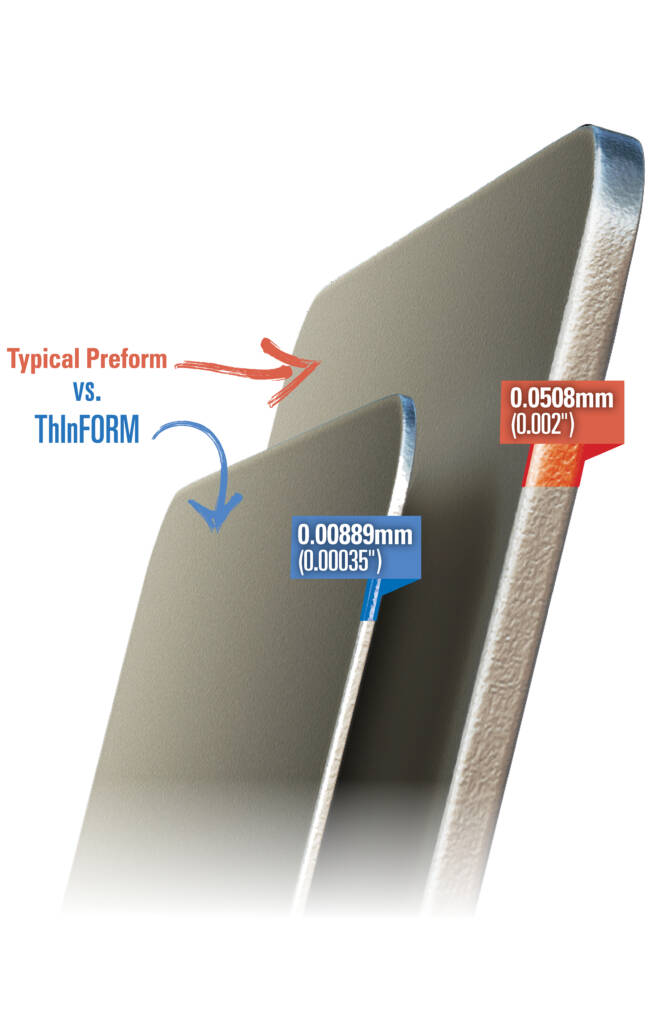
AuLTRA® ThInFORMS®(オーラストラ・シンフォレムス)
AuLTRA® ThInFORMS®:ダイアタッチに最適なプリフォームで、…を向上させます。
専門家による確実なサポート
技術的なご質問や販売に関するお問い合わせはございませんか?当社の専門チームがお手伝いします。「From One Engineer to Another®」は当社のモットーであるだけでなく、卓越したサービスを提供するためのコミットメントでもあります。いつでもご連絡ください。つながりましょう!

安全データシートをお探しですか?
技術仕様からアプリケーションガイダンスまで、必要なものすべてにアクセスできます。

お客様の成功
それが私たちの目標です
最新の素材、技術、専門家によるアプリケーション・サポートにより、お客様のプロセスを最適化します。すべては私たちのチームとつながることから始まります。