Due to its softness and compressibility, indium is ideal for use in creating a seal.
Let's get right into it:
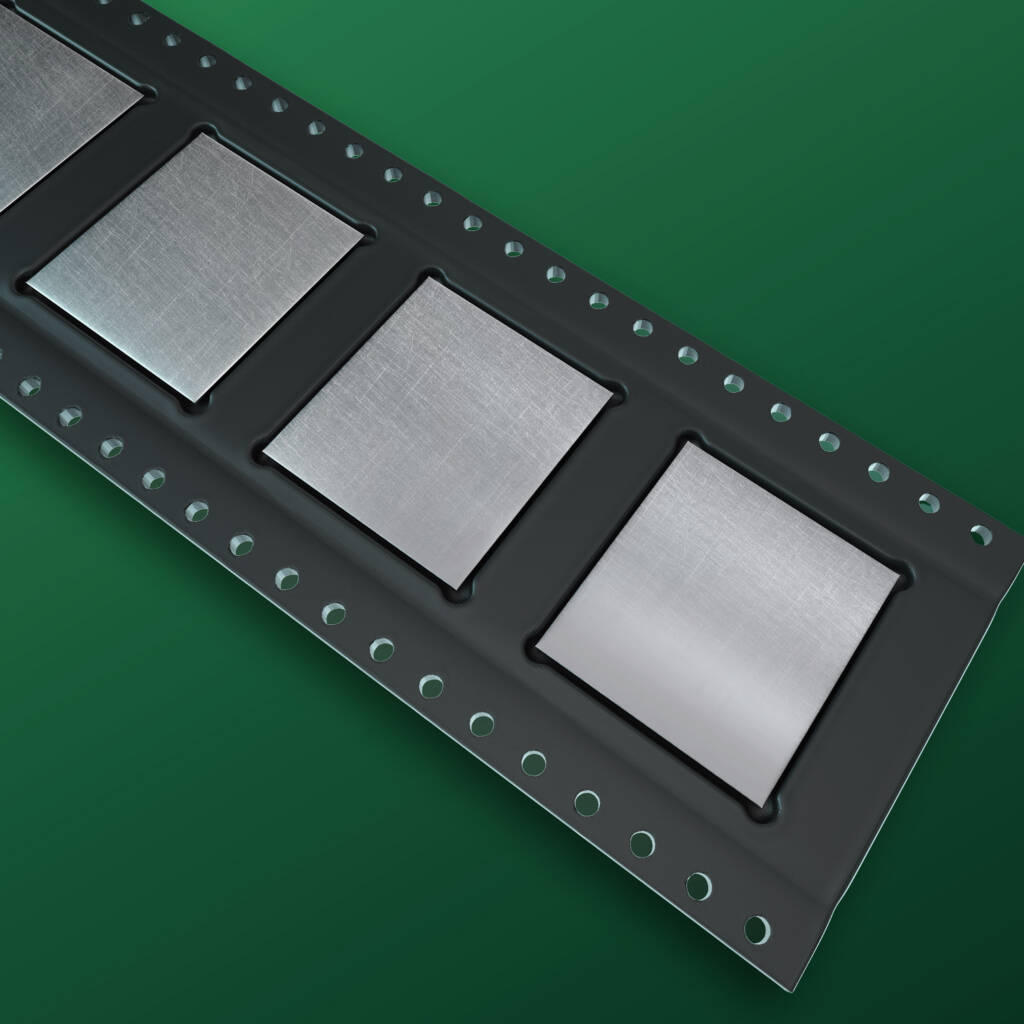
Indium preforms are commonly used to create seals. The preforms are made into an endless variety of shapes and sizes to fit the application. Crucial to the seal is the thickness of the preform, because, if the volume of indium is insufficient, the seal will eventually fail – due to lack of indium to fill in the gaps.
Indium wire is also a form used in the creation of a vacuum, hermetic or cryogenic seal. Care must be taken to insure that the correct diameter of wire is used to make the seal. Too small of a diameter, the gap will not be adequately filled leaving the seal area vulnerable to leaks. Too large, and the indium, when compressed, will exit the seal area and may interfere with other electronics in the area.
When using wire, care must be taken to have the wire centered in the area to be sealed. If the wire is off-centered, it may not create an adequate seal when compressed due to non-uniformity. In some cases, it is beneficial to make a small groove in the seal area so the wire can be placed using the groove as a guide for accurate placement.
Indium metal is self-passivating and will form about 80-100 Angstroms of oxide on its surface at room temperature. In more critical seal applications, it is essential that this oxide layer be removed prior to creating the seal because if the oxide is present during the compression of the indium, the oxide will be pushed below the surface and could create a path for leakage.
Not all seals require the same level of performance. A purity of 99.99% indium is adequate for a vacuum, hermetic or cryogenic seal, but higher purities are also available if needed. Some seals need to maintain their integrity for many years while others only need to hold for a short period of time. Develop your design based on what you know about the application.The more critical seals will need to be made following the procedure outlined below to insure that the integrity requirements are met.
- 아세톤으로 인듐의 유분을 제거하여 밀봉에 방해가 될 수 있는 표면의 유기물을 제거하십시오.
- 인듐을 10% 염산 용액에 약 1분간 담가 표면의 산화물을 제거합니다.
- HCl을 제거하기 위해 탈이온수로 철저히 헹구십시오.
- 아세톤으로 헹구어 물을 제거하십시오.
- 건조 질소로 드라이기를 사용하거나 자연 건조시키세요.
Please see our Application Note on Etching Indium to Remove Oxides, and watch this video to see how it's done.
주의:
Indium will cold weld to itself, especially after the surface oxides have been removed. See exactly what I mean. Care must be taken that the indium is not allowed to touch other freshly etched pieces of indium, as they will stick together similar to Contact Cement. Separation is difficult, if not impossible, without damaging the indium piece.
Please see our Application Note on the Cold Welding of Indium.
인듐을 사용할 준비가 되면, 밀봉할 표면에 프리폼이나 와이어를 올바르게 배치하는 데 주의를 기울여야 합니다. 인듐을 제자리에 배치한 후, 밀봉에 필요한 압력의 정도는 용도에 따라 달라집니다. 필요한 밀봉을 형성하기 위해 적절한 압력 수준을 파악하기까지 몇 번의 시도가 필요할 수 있습니다. 이러한 시도 과정은 사용되는 인듐의 두께를 조정하기에도 좋은 기회입니다.
Feel free to tap into our experience and knowledge to help you shorten the time to get your seal process ready for implementation.
폴 소차
23 October 2012