
Beginning my internship at Indium Corporation has been an exciting and rewarding experience. Every day presents an opportunity to learn something new, whether it is developing a technical skill, gaining a better understanding of research & development, or learning how to communicate effectively in a professional environment. As a member of the Alloy Group in the Research & Development department, I have had the opportunity to work alongside experienced professionals who have been willing to share their knowledge and answer my questions. During my first few weeks, I learned that technical knowledge is only one part of being successful in the workplace. Effective communication, teamwork, and a willingness to ask questions are just as important as performing technical tasks correctly.
Before beginning this internship, I had previous work experience in other jobs that taught me valuable lessons about responsibility, customer service, and completing assigned tasks. However, working in a research laboratory has been very different from any position I have held before. In previous jobs, many of the tasks became routine after a short period of time. Once I learned the procedures, I could perform them with little supervision, and the expectations remained consistent from day to day. At Indium Corporation, however, every project presents a new learning opportunity. Different customers have different requirements, different experiments require different preparation techniques, and every sample must be handled carefully to ensure accurate results. Because of this, I have realized that learning never truly stops in a research environment.
One of the biggest adjustments I have had to make is becoming comfortable with not knowing everything immediately. At first, I placed a great deal of pressure on myself to perform every task perfectly. Since many of the projects involve preparing samples for analysis, even small mistakes can affect the quality of the final results. For example, grinding through a solder joint, creating weak solder connections during sample preparation, or failing to capture a clear microscope image could require additional work or even prevent useful data from being collected. Knowing that my work contributes to larger research projects made me nervous, because I wanted to make a positive impression and demonstrate that I was capable of performing the job correctly.
These feelings of uncertainty are common when starting a new position, especially in a technical environment where precision matters. There were times when I questioned whether I was completing a task correctly, even after receiving instructions. Rather than assuming I understood everything, I quickly learned that asking questions is much more valuable than risking a preventable mistake. My supervisors consistently encouraged me to ask for clarification whenever I was unsure about a procedure or needed additional guidance. Their willingness to help created an environment where learning was encouraged instead of criticized.
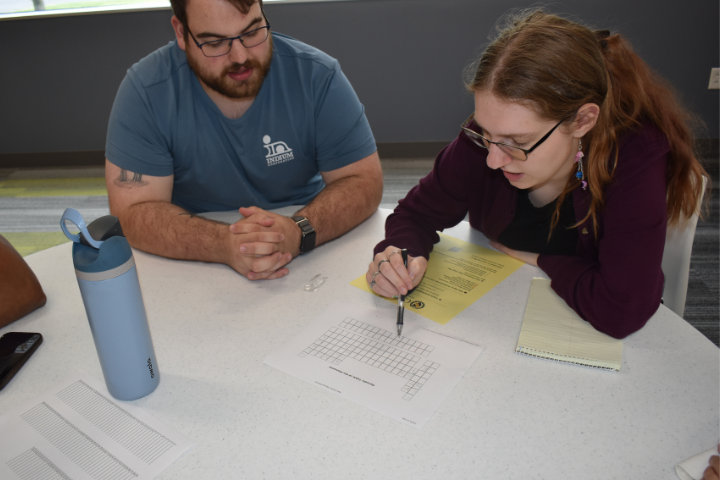
One lesson that has stood out during my internship is the importance of communicating openly with supervisors and coworkers. Communication is not simply about speaking with others; it is about making sure everyone involved understands the task, expectations, and any challenges that may arise. Whenever I complete a sample preparation task, I often ask one of my supervisors to review my work before moving on to the next step. Initially, I worried that asking for frequent feedback might make it appear that I lacked confidence. Instead, I discovered that requesting feedback demonstrates a commitment to producing quality work and shows that I care about learning the correct procedures.
As I continue gaining experience, I have become more confident in my abilities. The more I practice different preparation techniques and receive constructive feedback, the more comfortable I become completing assignments independently. Although I still ask questions whenever necessary, I now recognize that asking questions is a sign of professionalism rather than weakness. Every experienced employee was new to the job, and learning from those with more experience is one of the fastest ways to improve.
Another important aspect of communication involves understanding the reasoning behind each task. Throughout my internship, I have discovered that learning why a procedure is performed can be just as valuable as learning how to perform it. Whenever I encounter unfamiliar terminology, acronyms, or testing procedures, I make an effort to ask questions instead of simply memorizing instructions. Understanding the purpose behind each process helps me remember the procedures more effectively and allows me to appreciate how each step contributes to the overall research project.
Working in the Alloy Group has also shown me the importance of teamwork. Although each employee has individual responsibilities, the group’s success depends on everyone working together. Different people contribute different areas of expertise, and projects often require collaboration between multiple team members. I have observed how experienced employees communicate with one another to solve problems, share ideas, and ensure that projects continue moving forward efficiently. Their willingness to support one another has created a positive work environment where everyone contributes to achieving a common goal.
Compared to my previous jobs, the workplace culture at Indium Corporation is noticeably different. In some of my earlier positions, communication between employees and supervisors was often limited to assigning work or discussing schedules. While teamwork was still important, there were fewer opportunities to collaborate on technical problems or learn from experienced coworkers. At Indium Corporation, communication occurs continuously throughout the workday. Supervisors regularly check on projects, employees discuss experimental results, and coworkers willingly answer questions whenever someone needs assistance. This open communication creates an atmosphere where employees feel comfortable sharing ideas and asking for help.
One aspect of the work environment that I especially appreciate is the patience shown by my supervisors. Rather than expecting perfection immediately, they understand that interns are still learning. They provide constructive feedback that helps me improve while also encouraging me to become more independent over time. Their approach has allowed me to build confidence gradually instead of feeling overwhelmed by unfamiliar responsibilities. This supportive environment has made it easier to adapt to the expectations of a research laboratory.
Professional communication extends beyond technical discussions. I have also learned the importance of communicating about scheduling, attendance, and personal responsibilities. If an employee needs to arrive late because of an appointment or leave early for an important reason, informing a supervisor in advance demonstrates professionalism and respect. Clear communication allows supervisors to plan workloads appropriately and prevents unnecessary confusion. Failing to communicate schedule changes can create difficulties for both coworkers and supervisors, making it harder to complete projects efficiently. This experience has reinforced the importance of being reliable and keeping others informed whenever circumstances change.
Another valuable lesson I have learned is the importance of listening carefully. Communication is not only about asking questions or providing updates—it also involves paying close attention to instructions and feedback. During sample preparation and laboratory work, small details can significantly affect the outcome of an experiment. By listening carefully and taking notes when appropriate, I have been able to reduce mistakes and improve the quality of my work. Active listening has become one of the most valuable skills I have developed during my internship.
As I reflect on my first few weeks at Indium Corporation, I can already see how much I have grown both professionally and personally. I have gained technical knowledge about electromigration, sample preparation, and laboratory procedures, but I have also developed stronger communication skills, greater confidence, and a better understanding of what it means to work as part of a professional research team. Every challenge I have faced has provided an opportunity to learn, and every question I have asked has helped me become a more capable employee.
Looking ahead, I hope to continue building on the foundation I have established during the beginning of my internship. I want to become more efficient in completing laboratory tasks while maintaining the high level of quality expected within the Research & Development department. I also hope to continue learning from my supervisors and coworkers by remaining open to feedback and taking advantage of every opportunity to expand my knowledge. There is still much to learn, but I am excited about the experiences that lie ahead.
Overall, my internship at Indium Corporation has already been one of the most valuable learning experiences of my professional career. It has shown me that success in a technical workplace depends on much more than technical ability alone. Communication, teamwork, attention to detail, and a willingness to ask questions all play an essential role in producing high-quality work. Compared to my previous jobs, this environment places a much greater emphasis on collaboration, continuous learning, and professional growth. These experiences have strengthened my confidence and provided me with skills that I will carry into future careers. As I continue my internship, I look forward to expanding both my technical knowledge and my ability to contribute effectively as an intern member of the Alloy Group.