并非所有金属都能很好地结合在一起。这一点也影响到了电子产品及其所用材料。一个相对较新的相关例子是,随着 RoHS 的出现,人们希望找到一种 "无须改造 "即可替代 SnPb(Ag)焊料的材料。作为一种可能的替代品,锡(Sn)和锌(Zn)的共晶混合物非常具有吸引力。91Sn 9Zn 为共晶,不含任何 RoHS 材料,熔点为 199C,仅比共晶锡铅焊料高 16 度,比常见的 SAC 混合物低 20 度,而且不含任何昂贵的贵金属。
But the alloy contains Zn. And that is a show-stopper for two reasons. Zn is quite reactive, making it very difficult to create a flux-vehicle that would allow for a stable solder paste (possess an appreciable shelf life). The second, the one which we will go into detail in this post, is the electrode potential of Zn.
金属之间的电极电位差越大,发生电化学腐蚀的可能性就越大。Cu(铜)的电极电位是 +0.334V。锡(Sn)和铅(Pb)的电极电位分别为 -0.140V 和 -0.126V。而锌的电极电位为 -0.761V。因此,锌与铜的偶然接触会产生 1.095V 的电位差。再加上一点湿度(潮气),这就是发生电化学腐蚀的主要原因。卤化离子(盐雾)的存在会进一步加剧电化学腐蚀。
So, given all this, would a solder alloy of 91%Sn and 9%Zn be a problem?
为了找出答案,我做了一个简单的实验。
我拿了一些 SnZn 焊带和铜箔,简单地把它们放在一起,然后在劳动节长周末(超过 72 小时)将它们暴露在 85C/85%RH 的环境中。
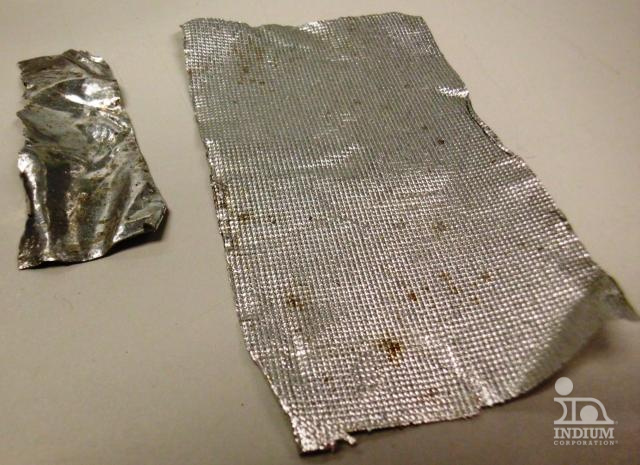
下面是锡锌焊带在上述条件下使用前的图像。
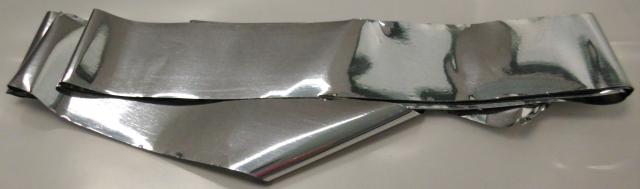
The next image shows the SnZn solder ribbon after having been exposed to the 85C/85%RH for >72 hours. This sample of ribbon was not in contact with any other metals. I was trying to determine what “normal” oxidation of this alloy, under these conditions, would be. I likewise did this with the copper coupons. (Next Image)
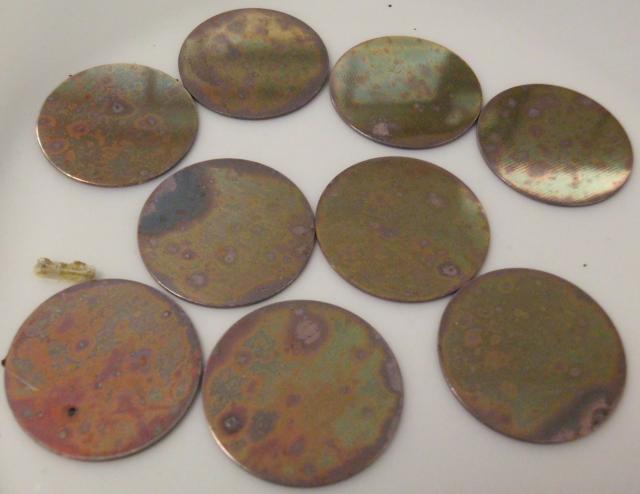
最后一张图片显示了铜与锡锌焊带偶然接触的效果。请注意,铜箔的氧化/腐蚀情况要严重得多。
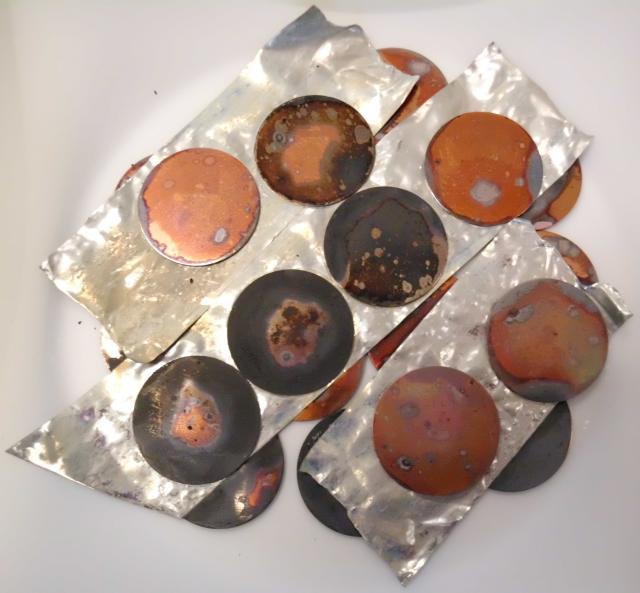
In this simple experiment we can see the effects of galvanic corrosion that happens through incidental contact of SnZn solder alloy to copper. I say “incidental contact” because the materials are merely touching each other, they have not been soldered together. It would be interesting to see if the effect would be as great if the materials were bonded together with no gap for water to penetrate.