回到 2013 年、 Carol Gowans接受了 Kalwinder Kaur 的采访,文章刊登在 AZO 材料公司的网站上。这篇文章的 全文请点击此处.我认为他们提出了很多很好的观点--让我们仔细看看:
“Question: What are the main considerations when using indium as a solder?
Answer: Indium is a very exciting material to work with. Our Applications Engineers have seen a wide variety of designs and assemblies since 1934. Consulting with us early in your planning process will allow you to optimize your use of indium in your process.
Because pure indium is so soft, it is best used in:
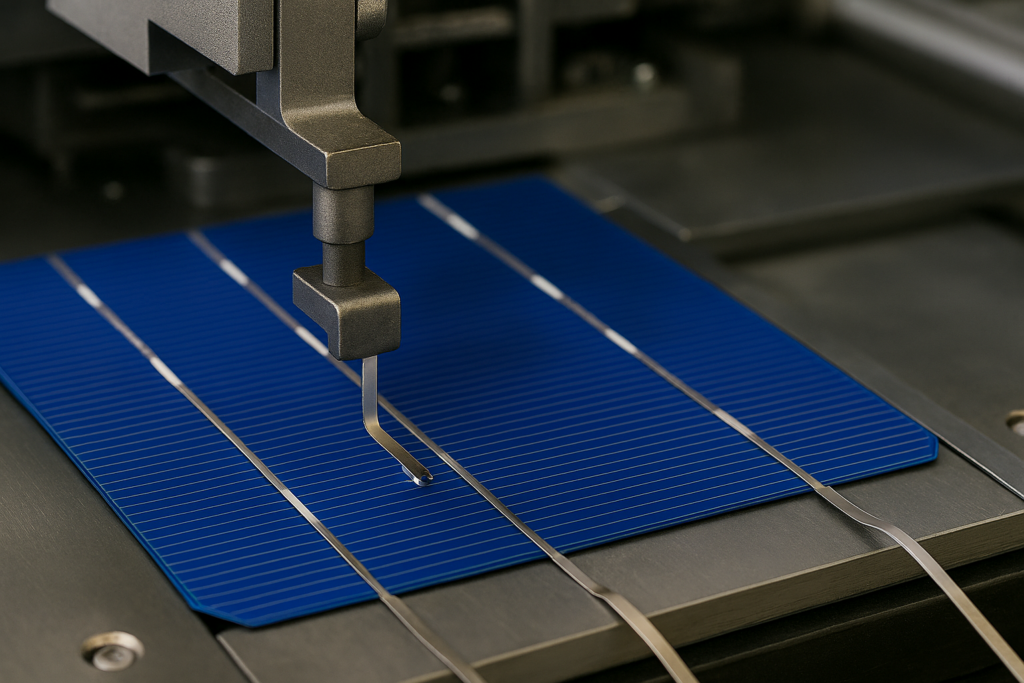
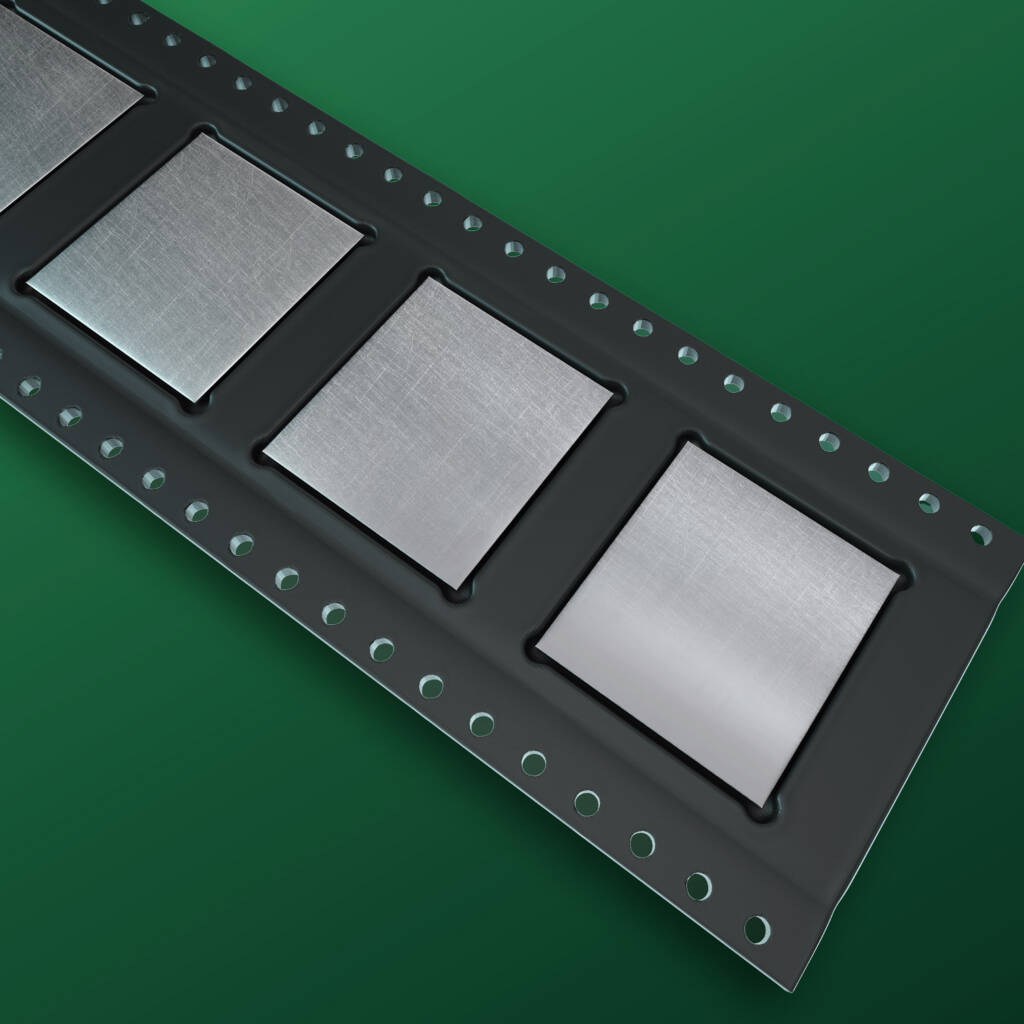
- thicknesses equal to or greater than 0.002” (0.05mm) for solder preforms and solder ribbon;
- diameters equal to or greater than 0.010” (0.254mm) for solder wire.
However, adding tin, silver, or lead broadens these parameters while retaining many of the physical properties of indium. Optimum powder sizes for solder paste would be type 2, type 3, or type 4.
Other than that, indium and indium-containing alloys can be fabricated in a wide variety of forms. Even a small amount of indium added to an alloy can impart the physical properties of indium. For example, Indalloy #164 (92.5Pb/5.0In/2.5Ag) works in applications requiring improved thermal fatigue resistance and reduced gold leaching.”
Handling pure indium can be difficult, especially very thin parts. Lucky for you, Indium Corporation has been handling indium longer than any other company on earth. We can help provide you with the most technically-demanding parts and share what we’ve learned over the years as it relates to your application. Contact our engineers at [email protected].