Seth Homer: As we've discussed, there are three attach levels of peak concern in the IGBT stack up. At Indium Corporation, we're redefining how we use solder at the die-attach, substrate, and baseplate to heat-sink levels, so we can achieve a more reliable IGBT that can perform increasingly higher standards. If you missed the first two videos in this series, be sure to check them out at www.indium.com/IGBT.
今天,我们重点讨论堆叠的基底层。基板上可能连接有多个芯片,因此焊接极为重要。为了保持性能和可靠性,这一层需要克服自身的特殊挑战。与底部终端元件面临的挑战类似,基板也容易出现空洞。为确保达到最佳效果,许多装配商选择使用无助焊剂真空回流焊解决方案和还原气氛,以实现最低的空洞率;然而,即使在这种情况下,焊接质量也会对空洞率产生不利影响。
合金纯度和百分比也非常重要。在无法使用无助熔剂真空回流焊的情况下,可能需要使用助熔剂。这很棘手,因为挥发物也会导致空洞。正因为如此,高度工程化的助焊剂涂层才是最好的方法。除了空泡外,键合线共面性也很关键。由于元件较大,液态焊料可能无法在回流过程中均匀地支撑元件的重量。这会导致键合线不均匀,从而增加循环过程中的应力区域。
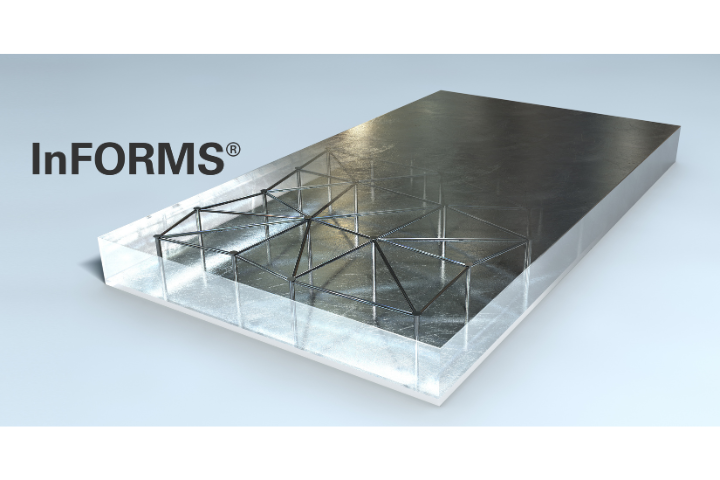
So, how can you achieve superior performance at the DBC substrate to baseplate level? The answer is to add a reinforcement matrix to the solder to act as a stand off. This creates constancy in the bondline thickness and adds strength laterally, resulting in enhanced thermal cycling survivability. Indium Corporation’s InFORMS® are reinforced solder preforms that are specifically designed to preserve the bondline co-planarity and add strength to the joint, increasing reliability to the process.
有关此主题的更多信息,请下载我们最近的技术文章《减少基底倾斜和改善粘结线控制的新技术》或访问www.indium.com/informs。此外,请随时直接与我联系[email protected]。谢谢。
节省保存