
Voiding is a common problem during SMT assembly. It's something all assemblers worry about. Typically the biggest concern with the solder void is it can interfere with a component's thermal management capabilities. If proper heat transfer is not possible, a device may heat up to an unacceptable temperature, which will cause it to malfunction. The bottom line: it's reliability. Why do Indium10.1 and Indium8.9HF pastes reduce voids? Quite simply, it's the chemistry. These pastes were developed with the optimal amount of wetting, oxidation barrier and rheology so that voiding, as well as other key perimeters, are minimized. Our team is ready, willing and able to help you with our extensive process and equipment knowledge, and our void-reducing solder pastes. For more information on how Indium Corporation can help you to Avoid the Void™ visit our website at www.indium.com.
相关文章
Robotic Soldering Fundamentals Part 1: From Automation to Materials That Make It Reliable
Robotic soldering has evolved from a productivity upgrade into a precision requirement—especially as electronics become smaller, denser, and require shorter production cycles. In Part 1 of this
Rethinking Your Alloy Strategy: How to Win with Low-Silver Solder
Silver prices are escalating rapidly, consistently trending upward. If you manage a bill of materials (BOM) for electronics manufacturing, you understand precisely how this volatility impacts your
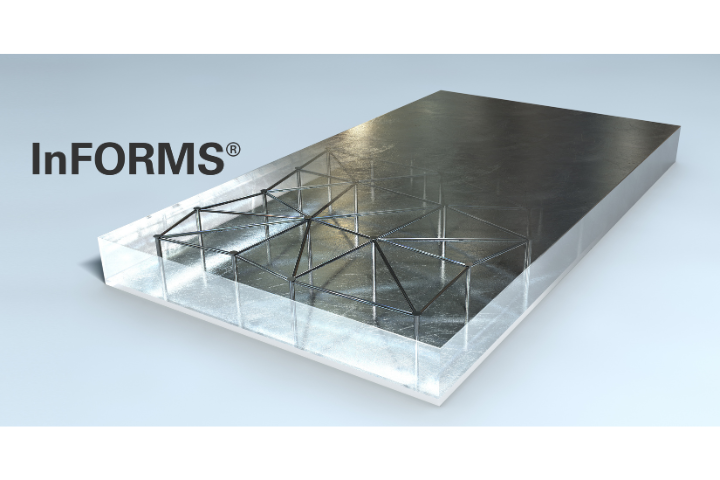
Mastering Assembly Consistency with InFORMS® Solder Preforms
Manufacturing modern electronics often feels like a balancing act—literally. Assembly tilt and uneven coplanarity are persistent headaches that compromise solder joints, leading to weak connections