
Before even thinking of dipping a component, you had better verify that your paste or flux is 1) the proper thickness and 2) uniform across the surface of the flux reservoir. You can check this by using a film depth gauge. After picking up a Package-on-Package component from its tray, center it over the paste or flux it will be dipped into. Verify again that the surface of the paste or flux is smooth and even. Dip the component into the reservoir and let it bottom out in the reservoir. You can now pick the component out of the reservoir and observe the imprint left by the components solder spheres. If the imprint looks distorted or incomplete, there may be a problem with your material depth or co-planarity. If the pattern looks defined and regular, continue by placing the component. Be sure to level out the flux reservoir each time by advancing the blade (linear tray) or rotating the reservoir (rotary tray).
相关文章
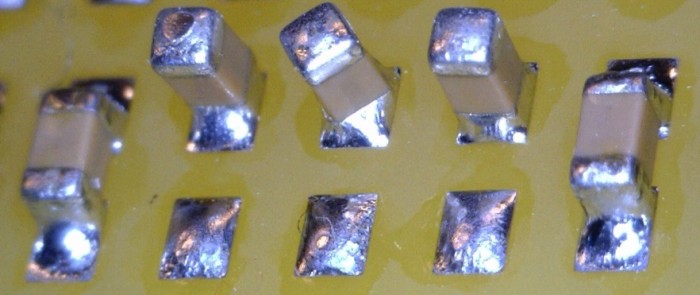
Head-in-Pillow vs. Tombstoning: Understanding Common Solder Defects
Professionals in the Printed Circuit Board (PCB) industry are all too familiar with common solder defects like tombstoning and head-in-pillow. These defects pose significant risks to the performance
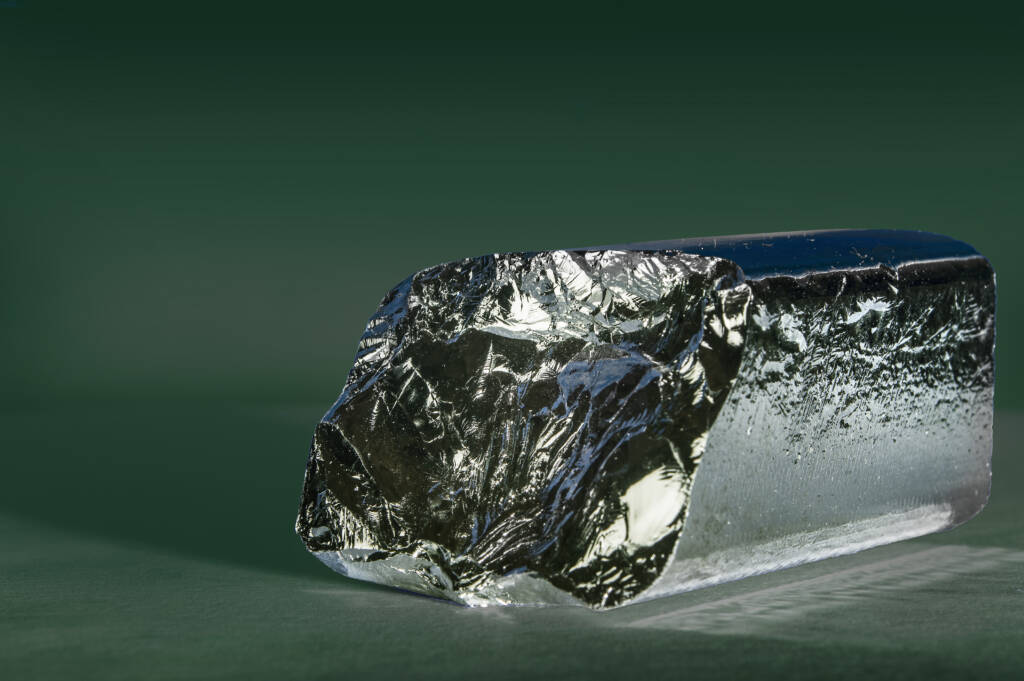
Gallium: The Little-Known Metal Powering the Modern World
Ask someone to name the materials essential to modern technology and they will probably mention silicon, copper, lithium, or perhaps rare-earth elements. Almost no one will mention gallium. Yet
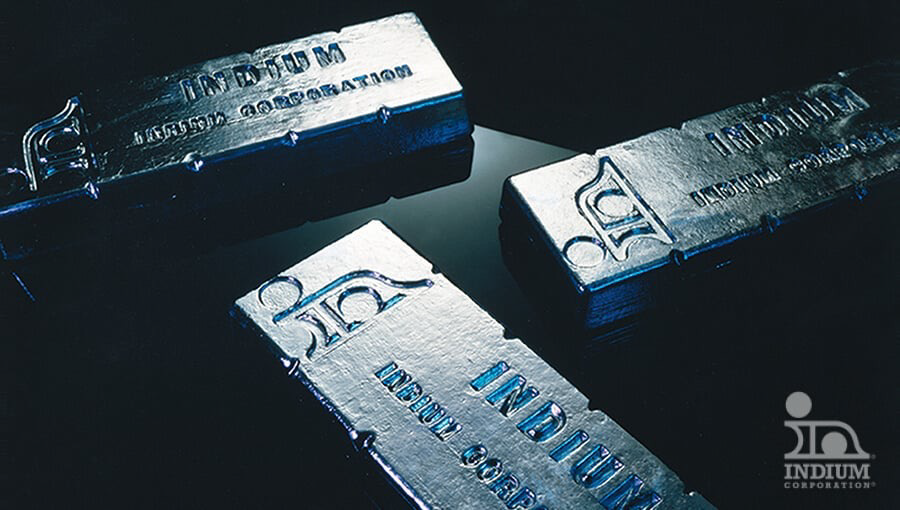
Why Indium Is One of the Most Important Metals in Electronics
W When most people think about the materials that make modern electronics possible, silicon, copper, and gold come to mind. Yet one of the most remarkable elements is one that few people have ever