
After discussing flux removal (which is usually a precursor to underfilling) it is only natural to discuss capillary underfilling. Low bump standoffs cause problems with water soluble cleaning, and similarly make capillary underfills difficult to use under standard conditions. Some capillary underfill manufacturers may have alternative materials for the tightest applications, so double-check that you are using the best possible material. Even though it may be tempting to crank up the underside or nozzle heat, stick to the underfills specified ranges. You can check the flow characteristics of an underfilled flip chip by CSAM or dye-n-pry methods. Poor underfill flow will result in air pockets around the solder bumps after cure.
相关文章
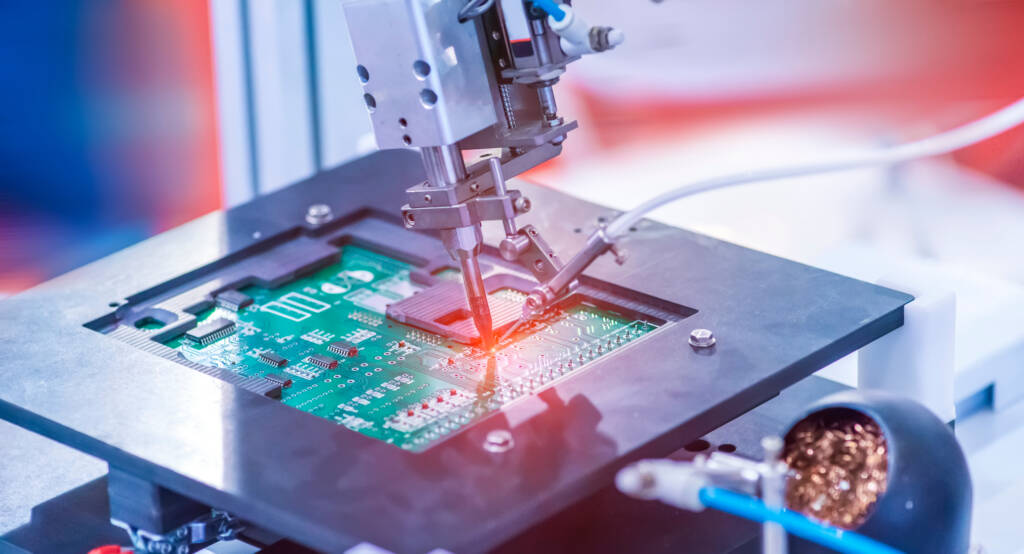
Robotic Soldering, Smarter (Part 2): Tackling Common Materials Challenges in Robotic Soldering
In Part 1, we covered how robotic soldering evolved, and why materials quality is a major driver of process stability and precision. In Part 2, we focus on common materials-related issues that can
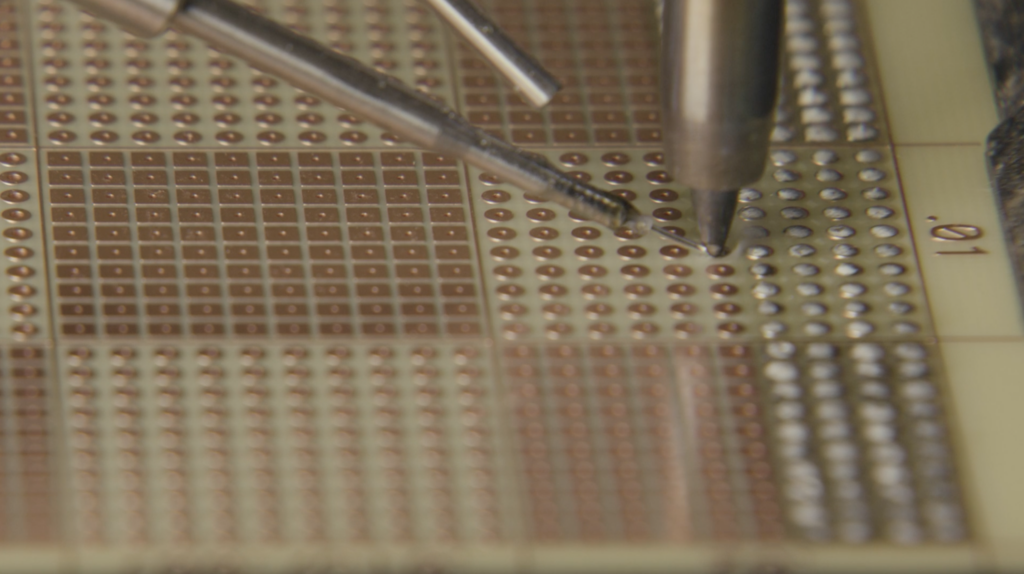
Robotic Soldering Fundamentals Part 1: From Automation to Materials That Make It Reliable
Robotic soldering has evolved from a productivity upgrade into a precision requirement—especially as electronics become smaller, denser, and require shorter production cycles. In Part 1 of this
Rethinking Your Alloy Strategy: How to Win with Low-Silver Solder
Silver prices are escalating rapidly, consistently trending upward. If you manage a bill of materials (BOM) for electronics manufacturing, you understand precisely how this volatility impacts your